Transforming Dark Wood Office Interiors into Modern Masterpieces

The charm of dark wood in office interiors is undeniable, bringing a sense of warmth and classic sophistication to any workspace. However, dark wood finishes are often associated with traditional designs, which can sometimes feel dated or overly formal in today’s fast-paced work environments. The challenge lies in striking the perfect balance between maintaining the rich character of dark wood while infusing the space with modern design elements. This guide delves into how to effectively modernize an office space with dark wood finishes, making it feel contemporary, inviting, and functional. We’ll explore various aspects of design, including layout optimization, material and finish updates, lighting improvements, color balancing, and the thoughtful integration of modern decor.

1. Layout and Structure

The foundation of any successful office redesign begins with a well-thought-out layout. When dealing with dark wood finishes, it’s important to create a sense of openness to counterbalance the visual weight that darker tones can impose on a space. Start by assessing the current arrangement of your office furniture. Large pieces, such as desks and storage units, should be positioned to maximize both functionality and natural light. Consider placing the desk centrally in the room, allowing for a clear view of the office and any windows. This not only emphasizes the importance of the workspace but also helps to distribute the natural light more evenly throughout the room.

Incorporating built-in cabinetry along the walls can help maintain an open floor plan while providing necessary storage. By recessing these units into the walls, you reduce their footprint in the space, making the room feel less cluttered. Opt for furniture that follows clean lines and minimalistic designs to enhance the modern vibe. It’s crucial to maintain a balance between open space and necessary furnishings, ensuring that the office is both practical and visually appealing.

2. Updating Materials and Finishes

While dark wood is timeless, its heavy appearance can sometimes make a space feel closed-off. One of the most effective ways to modernize a dark wood office is by updating the finishes and introducing complementary materials. A high-gloss finish on dark wood surfaces can reflect light, adding a subtle shine that brightens the room and gives the wood a more contemporary feel. Satin finishes are also a good option, providing a soft sheen that’s both modern and understated.

To create contrast and add visual interest, consider incorporating materials such as glass, metal, or marble. For instance, a glass tabletop or metal hardware can break up the dominance of wood and introduce a sleek, modern touch. When choosing these materials, ensure they harmonize with the existing wood tones rather than clash with them. The integration of these elements should feel seamless, creating a cohesive and sophisticated look throughout the office.

Ensuring continuity in design is essential. All the materials and finishes should complement each other, reinforcing the overall aesthetic of the office. If the wood in your office has a specific grain or color, select other materials that highlight these characteristics without overwhelming them. The goal is to create a layered, textural experience that feels rich and contemporary.
3. Lighting: The Key to Modernization

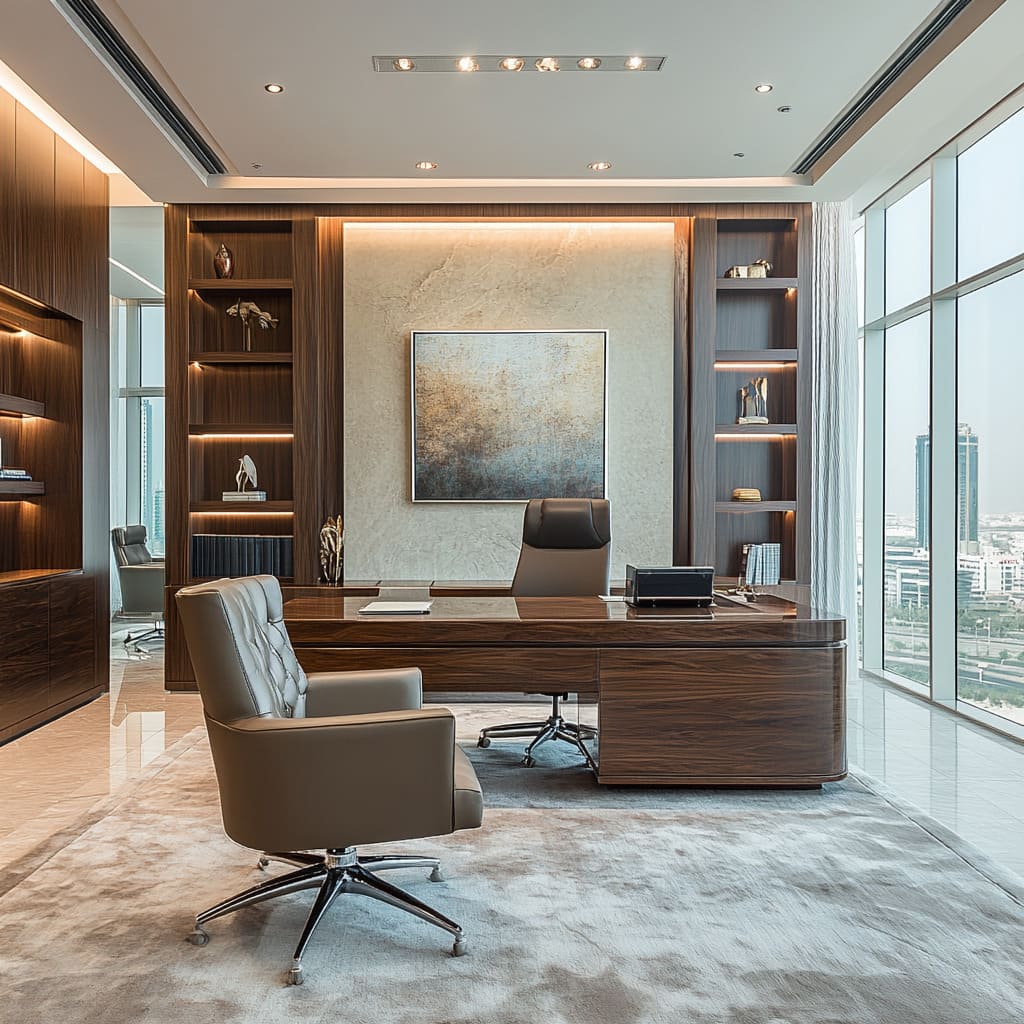
Lighting is one of the most critical elements in transforming a dark wood office into a modern space. Natural light is your best ally in this endeavor. If your office is blessed with large windows, make sure to utilize this feature to its fullest potential. Position your desk and other key furniture to take advantage of the natural light, creating a bright and inviting workspace. To maintain privacy while allowing light to flow in, consider using sheer curtains or blinds that can be adjusted according to the time of day.

In terms of artificial lighting, a layered approach works best. Recessed ceiling lights provide even illumination without overpowering the room, while strategically placed LED strip lights can highlight specific architectural features, such as built-in shelving or decorative wall panels. Task lighting is equally important, particularly for workspaces that require focused light. Desk lamps or adjustable wall-mounted lights can provide direct light where needed, enhancing both functionality and aesthetics.

The color temperature of your lighting also plays a significant role. Warmer tones complement dark wood, making the space feel cozy and inviting, while cooler tones can create a crisp, modern atmosphere. A combination of the two can be used to create different moods depending on the time of day or the type of work being done.

4. Flooring and Rugs: A Modern Foundation

The choice of flooring in your office can significantly influence its overall look and feel. For a modern take on dark wood interiors, a plush, neutral-toned carpet works beautifully. The softness of carpet underfoot not only adds comfort but also contrasts nicely with the hard surfaces of wood and metal. The color of the carpet should harmonize with the rest of the room’s palette, enhancing the warmth of the wood while introducing lightness into the space.

Rugs are another powerful tool in modernizing an office. A well-chosen area rug can define specific zones within your office, such as a seating area or the space around your desk, adding both texture and visual interest. Opt for rugs with simple, geometric patterns or solid colors that echo the modern theme. The rug’s texture should complement the other elements in the room, creating a balanced and cohesive look.

Balancing hard and soft surfaces is key to achieving a modern aesthetic. While dark wood brings a sense of gravitas and tradition, softer elements like carpets and rugs can lighten the mood, making the space feel more inviting and less formal. The goal is to create a workspace that is both functional and comfortable, encouraging productivity and well-being.
5. Art and Decor: Infusing Contemporary Flair

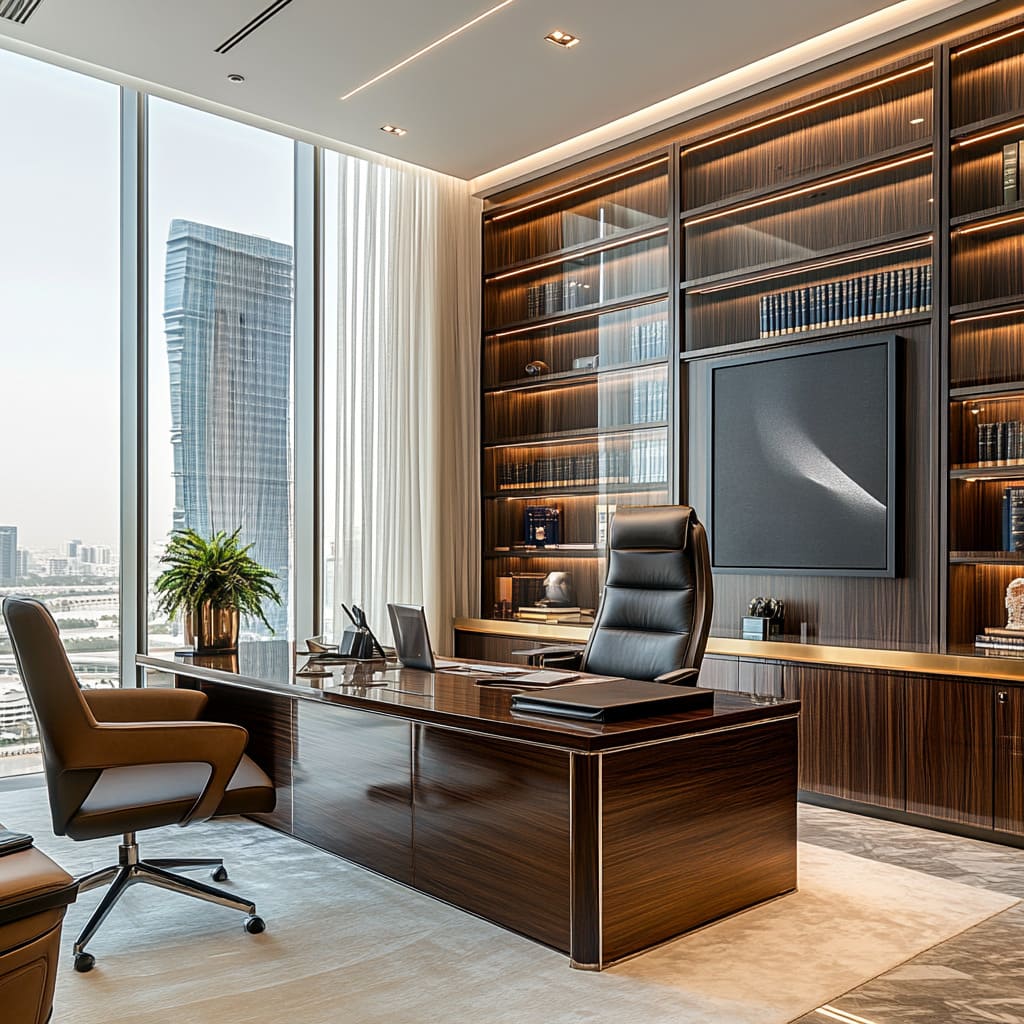
Art and decor play a crucial role in modernizing an office with dark wood finishes. A large piece of contemporary art, especially abstract or minimalist, can serve as a focal point in the room, drawing attention away from the darker wood tones and adding a splash of modernity. The art should complement the overall color scheme of the office, with muted tones for a subtle effect or bold colors for a more dramatic statement.

When it comes to decor, less is more. A few well-chosen items can make a significant impact without overwhelming the space. Consider incorporating modern sculptures, sleek vases, or a curated selection of books that reflect personal interests or professional achievements. The key is to keep the decor simple and cohesive, ensuring that each piece contributes to the overall aesthetic without creating clutter.

Shelving units provide an excellent opportunity to showcase these decorative items. Integrated lighting within the shelves can highlight key pieces, creating a gallery-like effect that adds sophistication and depth to the room. The display should be thoughtfully arranged, with enough space between items to let each one stand out while contributing to the overall harmony of the space.

6. Storage Solutions: Combining Style and Function

A modern office must balance form with function, and storage solutions are a critical part of this equation. Built-in cabinetry offers a streamlined look, providing ample storage without detracting from the room’s design. Choose cabinets with clean lines and minimal hardware to maintain the modern aesthetic. Push-to-open mechanisms or hidden handles can enhance the sleek appearance of these units.

Concealing clutter is essential for maintaining a tidy, modern workspace. Use storage solutions that blend seamlessly with the office’s design, keeping files, books, and personal items out of sight but easily accessible. Open shelving can also be used effectively, especially when paired with the right decor. The shelves can display a few carefully selected items, adding personality and warmth to the office without compromising its modern feel.

The key is to integrate storage solutions that are both practical and aesthetically pleasing. Everything should have its place, ensuring that the workspace remains organized and conducive to productivity. The right storage solutions can help you maintain a clean and uncluttered environment, which is essential for creating a modern office that feels spacious and inviting.

7. Color Palette: Achieving Modern Harmony

Balancing color is vital when working with dark wood finishes. The natural richness of dark wood can be beautifully offset by a well-chosen color palette that includes lighter, neutral tones. Shades of beige, gray, and white can be used to soften the impact of dark wood, creating a more open and airy feel. These colors should be used on walls, ceilings, and flooring to reflect light and enhance the room’s brightness.

Introducing accent colors can add a contemporary flair to the office. Subtle hints of blue, green, or even metallic tones can break up the dominance of dark wood, bringing freshness to the space. These accents can be introduced through decor items, upholstery, or even small pieces of furniture. The key is to use them sparingly, ensuring they complement rather than compete with the wood tones.

Maintaining a cohesive color scheme is crucial. All elements in the room, from furniture to decor, should work together to create a harmonious environment. The goal is to create a space that feels unified and well thought out, where every color serves a purpose in enhancing the overall design.
8. Views and Environment: Connecting with the Outdoors

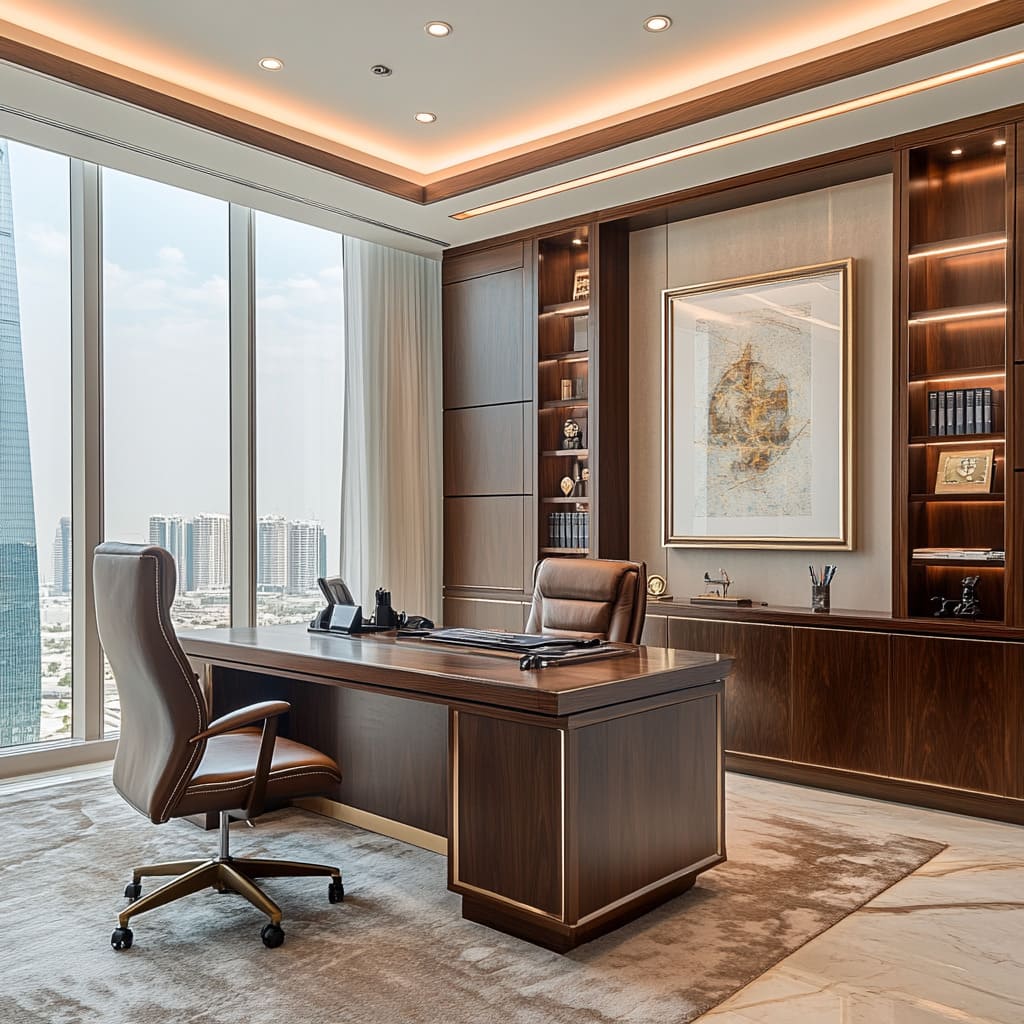
Incorporating views and the surrounding environment into your office design can significantly enhance its modern appeal. Large windows that allow for expansive views of the outdoors not only bring in natural light but also create a connection between the interior space and the outside world. This connection can make the office feel more open and less confined, which is especially important when dealing with darker interiors.

Positioning furniture to take advantage of these views can enhance the sense of space within the office. For example, placing the desk so that it faces the windows allows the occupant to benefit from the light and scenery while working. This arrangement can improve mood and productivity, making the office a more pleasant place to spend time.

Bringing the outdoors in through the use of plants or nature-inspired decor can also modernize a dark wood office. A well-placed potted plant or a small indoor garden can add a touch of nature, softening the formal lines of the wood and introducing a fresh, contemporary element. These natural touches can help balance the richness of the wood, making the office feel more vibrant and alive.

9. Seating and Comfort: Modernizing Through Ergonomics

Comfort is key in any modern office design, and seating plays a crucial role in achieving this. Selecting the right chairs is essential for both the aesthetics and functionality of the space. Ergonomic chairs upholstered in high-quality leather or fabric offer the support needed for long hours of work while maintaining a sleek and modern look. The design of the chairs should complement the overall style of the office, with clean lines and a minimalistic approach that aligns with the modern theme.

The arrangement of seating should also be considered carefully. In addition to the executive chair, a visitor’s chair placed in front of the desk can provide comfort for guests without disrupting the room’s flow. Choose seating that is both stylish and functional, ensuring that it enhances the overall design while providing the necessary comfort and support.

Balancing style with functionality is critical. The seating should not only look good but also feel good to use, encouraging productivity and well-being. Modern seating options often include adjustable features that allow for customization based on the user’s needs, which can be a valuable addition to any office.

10. Overall Atmosphere: Creating a Modern Masterpiece

The overall atmosphere of the office should reflect a balance of form and function, where every element works together to create a space that is both beautiful and practical. The integration of modern design elements with traditional dark wood finishes can result in a workspace that is not only aesthetically pleasing but also conducive to productivity and well-being.

It’s important to consider how the various components of the design—layout, materials, lighting, decor, and color palette—interact to create the desired atmosphere. The room should feel cohesive, with each element contributing to the overall design narrative. The space should reflect the personality and professional status of the person who occupies it, offering a sense of identity and style.

Ultimately, the goal is to create an office that feels like a modern masterpiece, where the richness of dark wood is enhanced by contemporary touches, resulting in a space that is as functional as it is stylish. By carefully considering each aspect of the design, you can transform a traditional dark wood office into a modern haven that meets the demands of today’s work environment while retaining its timeless appeal.

Conclusion

Transforming a dark wood office into a modern space is not just about updating its look; it’s about enhancing its functionality and creating an environment that supports both productivity and well-being. By rethinking the layout, updating materials and finishes, optimizing lighting, and carefully selecting decor, you can achieve a harmonious balance between traditional elegance and contemporary style. This guide provides a comprehensive roadmap for achieving this transformation, ensuring that your office is not only a place of work but also a reflection of your professional identity. Whether you’re starting with a small update or a complete redesign, these strategies will help you create an office that feels modern, inviting, and uniquely yours.
The Latest Trends in Modern Villa Interior Design in Dubai

Dubai’s luxury villa market is known for pushing the boundaries of architectural and interior design, creating spaces that are both opulent and inviting. Modern villa interiors in Dubai reflect a blend of international influences, advanced technology, and a keen sense of style. As the city continues to grow and evolve, so do the trends that define these luxurious homes. This article will delve into the latest trends in modern Dubai villa interior design, offering a detailed look at the elements that make these spaces unique.

1. Double-Height Ceilings: Creating Grand, Open Spaces

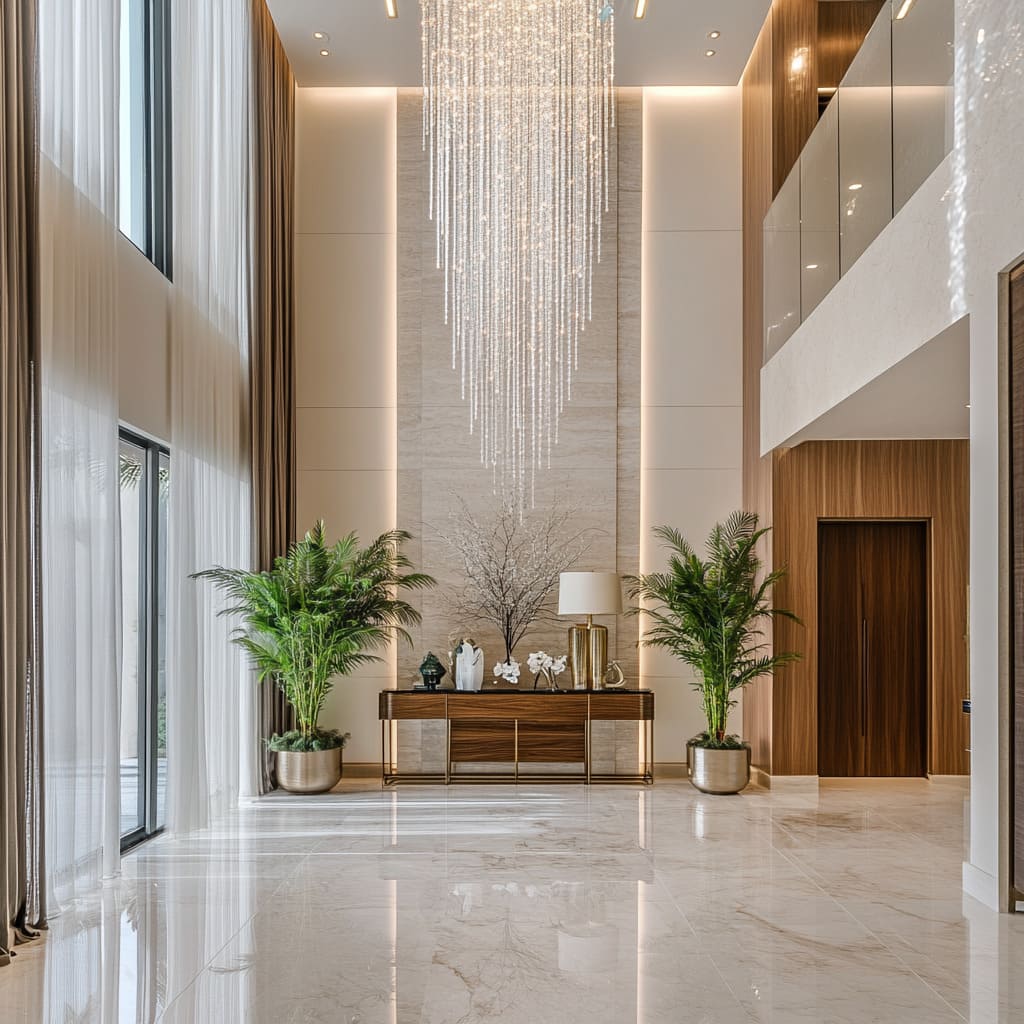
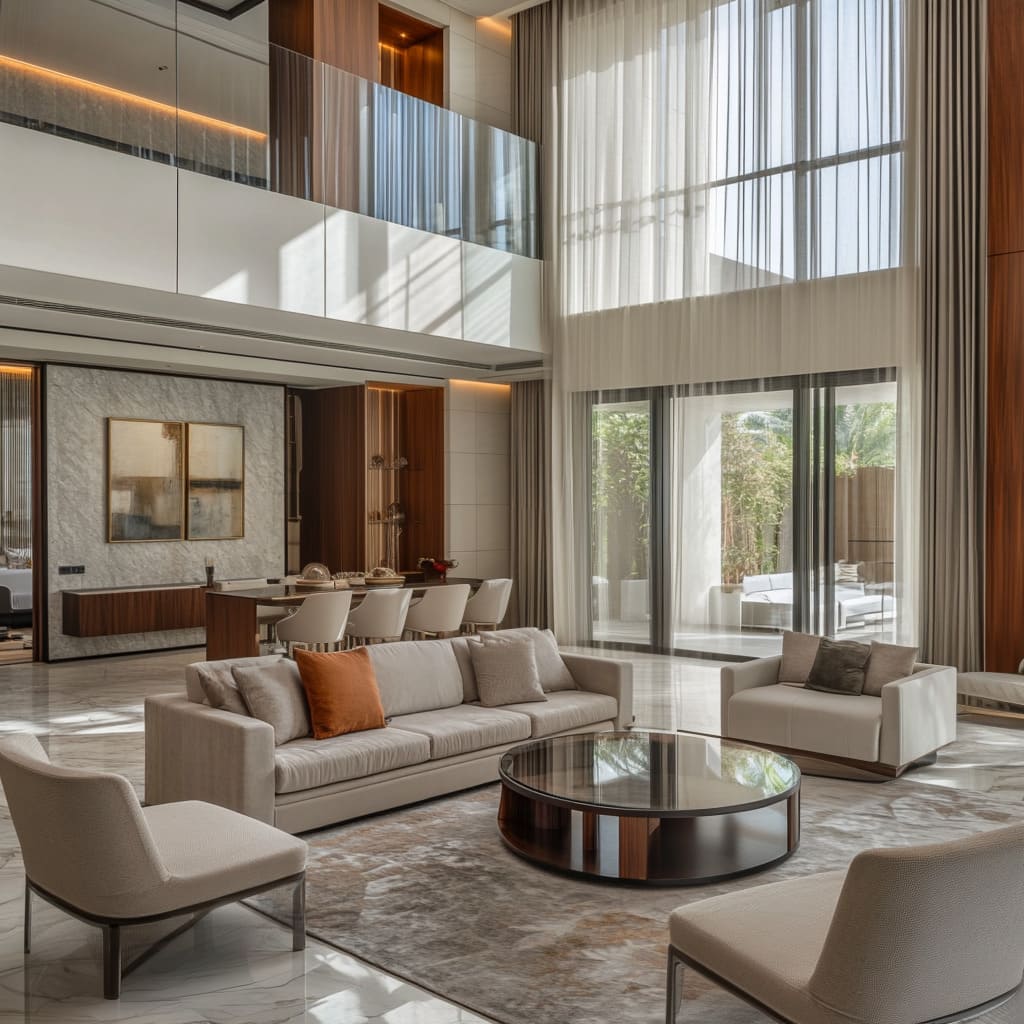
One of the most defining features of modern Dubai villas is the use of double-height ceilings. This architectural element is more than just a stylistic choice; it serves to amplify the sense of space within the home, creating a grand, open atmosphere that is both impressive and welcoming. These towering ceilings allow for expansive windows, which flood the interiors with natural light and create a seamless connection between the indoors and outdoors.

Double-height ceilings also offer the opportunity to introduce dramatic lighting fixtures, such as cascading chandeliers that can become the centerpiece of a room. These fixtures not only illuminate the space but also add a layer of sophistication and luxury. The scale of the ceilings allows for large art installations or feature walls that draw the eye upward, emphasizing the verticality of the room and adding visual interest. In Dubai’s hot climate, the extra height also aids in keeping the living areas cooler, enhancing comfort without compromising style.

2. Neutral Color Palettes and Material Choices: A Foundation of Modern Elegance

The foundation of any interior design is its color palette and material choices, and in modern Dubai villas, neutral tones reign supreme. Shades of beige, taupe, off-white, and soft gray dominate the color schemes, creating an environment that is both calming and sophisticated. These colors are chosen not only for their aesthetic appeal but also for their ability to create a sense of space and lightness, which is essential in the often expansive rooms found in Dubai villas.

Material choices further enhance the elegance of these interiors. Polished marble is a popular choice for flooring, offering a reflective surface that adds a touch of luxury while also helping to keep the interiors cool. The subtle veining in the marble adds visual texture without overwhelming the space, allowing the architecture and furniture to take center stage. Wood is another key material, often used for wall paneling, cabinetry, and accent pieces. The rich tones of wood add warmth and contrast to the otherwise light color palette, creating a balanced and harmonious interior.

The combination of these materials and colors forms a backdrop that is both timeless and modern, allowing homeowners to personalize their spaces with art, furniture, and decor that reflect their unique tastes. The neutrality of the palette ensures that the interiors remain versatile and adaptable, easily updated to reflect changing trends or personal preferences.

3. Luxurious Seating Arrangements: Comfort Meets Style

Seating arrangements in modern Dubai villas are designed with both comfort and style in mind. Living rooms often feature large, plush sofas and armchairs that invite relaxation while also serving as statement pieces in the room. The choice of upholstery is crucial, with high-quality fabrics that are both durable and luxurious, such as velvet, linen, or soft leather. These fabrics add texture and depth to the room, enhancing the overall aesthetic.

The placement of furniture is carefully considered to promote conversation and comfort, often centered around a focal point like a fireplace, a large television, or a stunning view. Accent pillows and throws are used strategically to add pops of color and pattern, creating a layered and inviting space. The mix of textures—from the softness of the cushions to the sleekness of the coffee table—adds visual interest without detracting from the room’s overall elegance.

In larger villas, multiple seating areas may be created within a single room, each with its own purpose and ambiance. For example, a formal seating area might be arranged around a coffee table with elegant side chairs, while a more casual arrangement could be designed around a television or entertainment center. This flexibility allows for both intimate family gatherings and larger social events, making the living space versatile and functional.

4. Entertainment and Media Integration: Modern Family Rooms

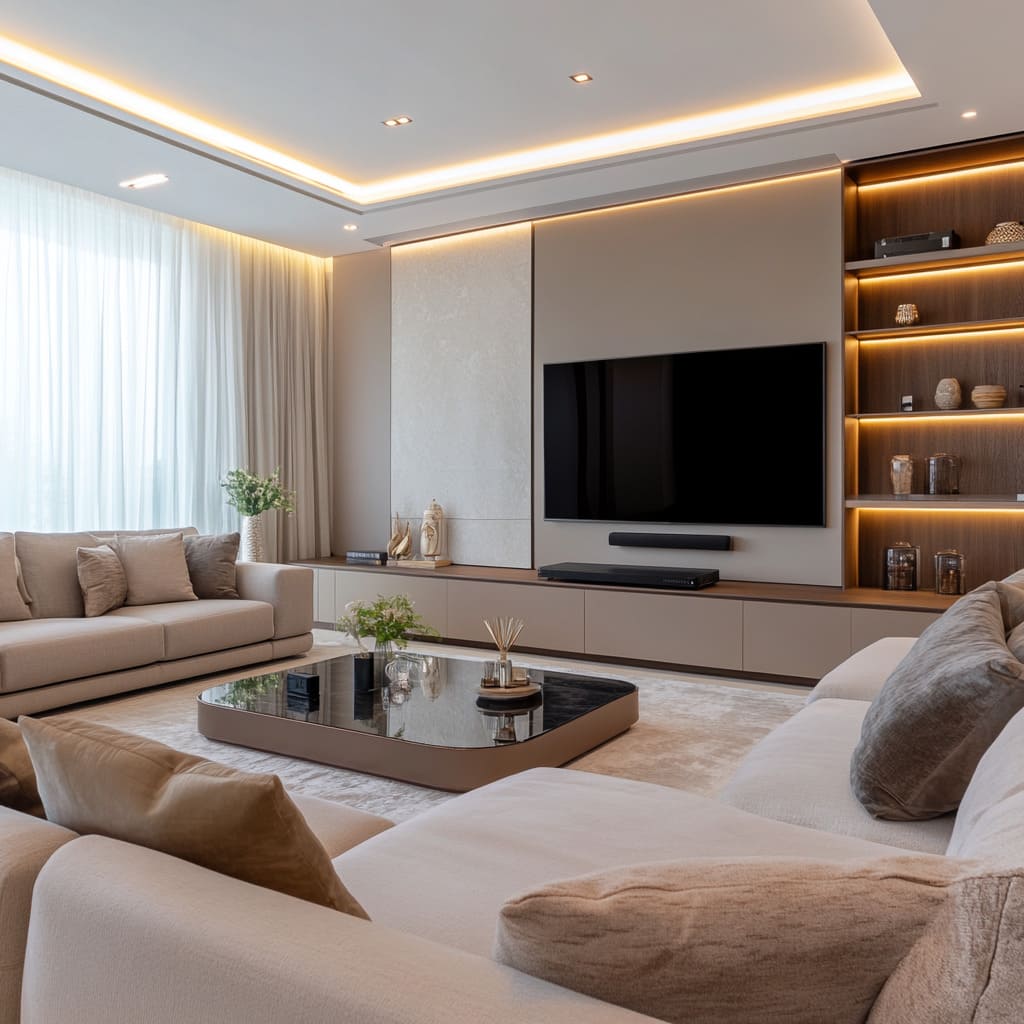
The family rooms in Dubai villas are more than just places to gather; they are designed for entertainment and relaxation. Central to these spaces is the integration of modern media systems, including large flat-screen televisions and state-of-the-art sound systems. These elements are seamlessly incorporated into the design, with custom-built media consoles and wall units that provide ample storage without disrupting the clean lines of the room.

The furniture in these rooms is selected for comfort, with large, cushioned sofas and recliners that make movie nights or game days enjoyable. The layout is often centered around the television, with seating arranged to ensure a clear view from every angle. In addition to the main seating area, side tables and ottomans provide extra functionality, allowing for a relaxed and flexible space that caters to various activities.

Lighting plays a crucial role in creating the right atmosphere for entertainment. Dimmer switches and ambient lighting allow homeowners to adjust the mood of the room, whether for a bright, lively gathering or a cozy evening in. Built-in shelving with integrated lighting adds a soft glow, highlighting decorative items and providing a warm ambiance. The overall design of these rooms balances practicality with aesthetics, ensuring that the space is both functional and visually appealing.

5. Statement Lighting: Chandeliers and Cove Lighting

Lighting is a key element in the design of modern Dubai villas, with statement fixtures playing a prominent role. Chandeliers are often used in main halls and living areas, where their size and design make a lasting impression. These fixtures range from classic crystal designs to modern, abstract forms, each chosen to complement the overall style of the space. The placement of chandeliers is strategic, often centered in rooms with high ceilings to draw the eye upward and enhance the sense of scale.

Cove lighting is another popular feature, used to create a soft, ambient glow throughout the home. This type of lighting is often installed around the perimeter of ceilings, where it provides indirect illumination that enhances the architectural features of the room. Cove lighting can be adjusted to suit different times of day or activities, offering both functionality and aesthetic appeal. It is particularly effective in highlighting the textures and finishes of walls and ceilings, adding depth and dimension to the space.

In addition to chandeliers and cove lighting, modern Dubai villas often incorporate recessed lighting, which offers a sleek and unobtrusive solution for illuminating the home. This type of lighting is perfect for highlighting specific areas, such as artwork or architectural details, without overwhelming the space. The combination of different lighting types creates a layered effect, allowing homeowners to control the ambiance and mood of each room.

6. Floor-to-Ceiling Windows: Enhancing Light and Space

Floor-to-ceiling windows are a defining feature of modern Dubai villa design, allowing for an abundance of natural light and offering stunning views of the surrounding landscape. These large windows create a seamless connection between the indoors and outdoors, blurring the boundaries and enhancing the sense of space within the home.

The windows are often dressed with sheer curtains that provide privacy while still allowing light to filter through. These curtains add a soft, flowing element to the room, contrasting with the sleek lines of the architecture. The use of light-colored fabrics ensures that the space remains bright and airy, even when the curtains are drawn.

The placement of furniture around these windows is carefully considered to take advantage of the views and natural light. Seating areas are often positioned to face the windows, creating a relaxing space where residents can enjoy the scenery. The large windows also enhance the overall aesthetic of the home, reflecting the modern design principles of openness and transparency.

In addition to their aesthetic benefits, floor-to-ceiling windows also contribute to the energy efficiency of the home. By maximizing natural light, they reduce the need for artificial lighting during the day, while the use of high-quality glazing helps to regulate indoor temperatures. This combination of form and function makes these windows a key element in the design of modern Dubai villas.

7. Contemporary Furniture and Decor: Minimalism with a Touch of Luxury

Contemporary furniture in Dubai villas is characterized by clean lines, simple forms, and a focus on functionality. The emphasis is on creating a sleek, uncluttered look that is both stylish and comfortable. Furniture pieces are often chosen for their sculptural qualities, adding an artistic element to the room.

The materials used in contemporary furniture are carefully selected to enhance the overall aesthetic of the space. High-quality wood, metal, and glass are common choices, each bringing its own texture and character to the room. Upholstery fabrics are chosen for their durability and luxurious feel, often in neutral tones that complement the overall color palette.

Decorative elements are kept to a minimum, with a focus on quality over quantity. Each piece is carefully chosen to contribute to the overall design, whether it’s a piece of modern art, a sculptural vase, or a carefully arranged collection of books. The goal is to create a cohesive look that feels intentional and curated, rather than cluttered or overwhelming.

The use of natural elements, such as plants or stone, adds warmth and texture to the space, creating a balance between the sleek, modern lines of the furniture and the organic qualities of the decor. This combination of minimalism and luxury creates an environment that is both serene and sophisticated, offering a perfect retreat from the hustle and bustle of daily life.

8. Feature Walls and Art Integration: Adding Personality to Spaces

Feature walls are a popular trend in modern Dubai villa design, serving as focal points that add personality and depth to the space. These walls are often clad in textured materials, such as natural stone or wood, which contrast with the smooth surfaces of the surrounding walls. The use of feature walls is a way to introduce visual interest and break up the monotony of large, open spaces.

Art plays a significant role in the design of these feature walls, with large, impactful pieces often chosen to complement the materials and colors of the room. The placement of art is carefully considered, with attention to scale and proportion to ensure that the pieces enhance the overall design rather than overwhelm it. In some cases, the art is integrated into the architecture itself, becoming a permanent part of the room’s design.

In addition to feature walls, art is also used throughout the home to add character and reflect the personal tastes of the homeowners. Whether it’s a collection of contemporary paintings, a series of sculptures, or a carefully curated gallery wall, art is a key element in creating a space that feels lived-in and unique. The integration of art into the design of modern Dubai villas is a way to personalize the space and make it truly one-of-a-kind.

9. Modern Staircase Designs: Functional Sculptures

Staircases in modern Dubai villas are more than just functional elements; they are often designed as architectural features that add to the overall aesthetic of the home. These staircases are typically sleek and minimalist, with a focus on clean lines and simple forms. Glass balustrades are a popular choice, offering transparency and allowing the staircase to blend seamlessly into the surrounding space.

The use of materials like wood and stone adds texture and warmth to the design, while the incorporation of lighting enhances the staircase’s sculptural qualities. In some cases, staircases are designed to be floating, with steps that appear to be suspended in mid-air, creating a sense of lightness and adding to the modern feel of the home.

The design of the staircase is often integrated into the overall layout of the home, with open-plan living spaces that allow the staircase to be visible from multiple angles. This visibility makes the staircase a key element in the design of the villa, contributing to the flow and connectivity of the different spaces. Whether it’s a grand staircase in the main hall or a more discreet design tucked away in a corner, the staircase is an important part of the home’s architecture.

10. Outdoor-Indoor Connection: Designing for Dubai’s Climate

The design of modern Dubai villas places a strong emphasis on the connection between indoor and outdoor spaces. This connection is achieved through the use of large windows, open-plan layouts, and outdoor living areas that are seamlessly integrated with the interior design. The goal is to create a sense of continuity between the indoors and outdoors, allowing residents to enjoy the beauty of their surroundings from the comfort of their home.

Outdoor spaces are designed to be extensions of the indoor living areas, with similar materials and colors used to create a cohesive look. Outdoor furniture is chosen for its durability and comfort, with a focus on creating spaces that are both functional and stylish. Shaded areas, such as pergolas or covered patios, provide protection from the sun while allowing residents to enjoy the outdoors even in the heat of Dubai’s summer.

Landscaping is an important part of this design approach, with carefully chosen plants and materials that reflect the natural beauty of the region. Water features, such as fountains or pools, are often used to add a sense of tranquility and provide a cooling effect in the outdoor spaces. The design of these areas takes into account the need for privacy, with the use of walls, screens, or strategically placed plants to create a secluded and intimate environment.

The connection between indoor and outdoor spaces is not only aesthetic but also functional. The use of sliding or folding glass doors allows for easy access to outdoor areas, making it convenient for entertaining or simply enjoying the fresh air. This design approach reflects a modern lifestyle that values both luxury and practicality, offering a space that is perfect for both relaxation and socializing.

Conclusion

In conclusion, the latest trends in modern Dubai villa interior design reflect a blend of luxury, functionality, and contemporary style. From the grand double-height ceilings to the seamless indoor-outdoor connection, each element is carefully considered to create a space that is both impressive and inviting. The use of neutral color palettes, high-quality materials, and sophisticated lighting creates an environment that is elegant and timeless, while the incorporation of art and feature walls adds personality and character to the space. As Dubai continues to evolve as a global hub for luxury living, these trends are likely to shape the future of villa design in the city, offering residents a lifestyle that is both modern and luxurious.

New Trend in Interior Design in Dubai: A Showcase of Minimalist Elegance

In the bustling city of Dubai, where architectural marvels and innovative designs are the norm, Amitis Design has created a building lobby that stands out for its unique blend of elegance and minimalism. This space is a perfect representation of how thoughtful design can transform a simple lobby into an inviting and luxurious environment.

A Masterpiece of Modern Minimalism

The lobby’s design is a harmonious balance of simplicity and sophistication, a hallmark of modern minimalism. Amitis Design has crafted a space that feels both expansive and intimate, using a restrained color palette and clean lines to create a serene atmosphere. The beauty of this design lies in its ability to make a statement without overwhelming the senses.

Elegant Wall Treatments

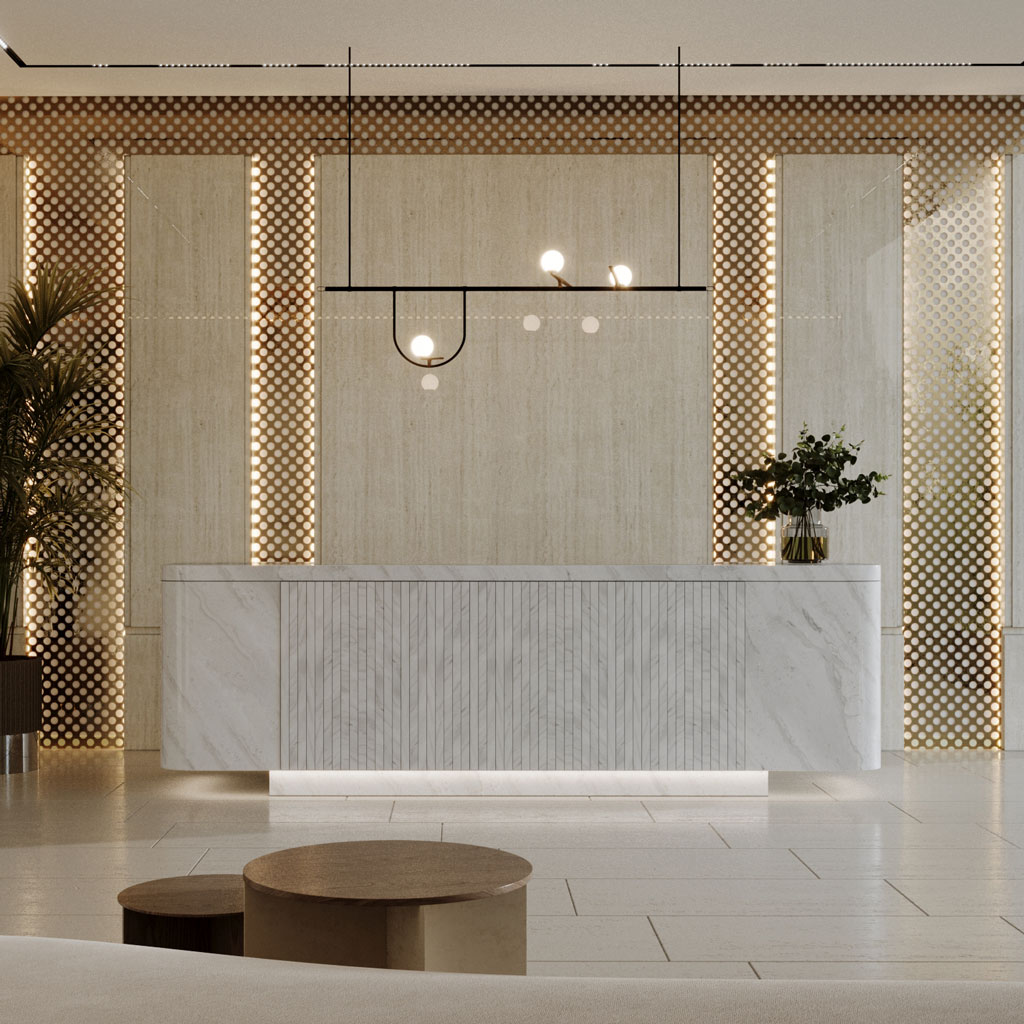
One of the most striking features of this lobby is the wall treatment. The walls are adorned with large, vertically oriented panels made from natural stone or a stone-like material in a light beige hue. These panels add a sense of warmth and depth to the space, creating a perfect backdrop for the lobby’s minimalist decor. The subtle texture of the stone adds a tactile element that invites you to reach out and touch it, enhancing the overall sensory experience.

Adding to the wall’s appeal is a decorative metal lattice that runs horizontally across the upper portion. This lattice is backlit with soft, warm LED lighting, casting intricate shadows that play across the wall’s surface. The combination of these elements creates a dynamic visual effect that changes throughout the day as the natural light shifts, making the lobby feel alive and responsive to its environment.

Thoughtfully Curated Seating

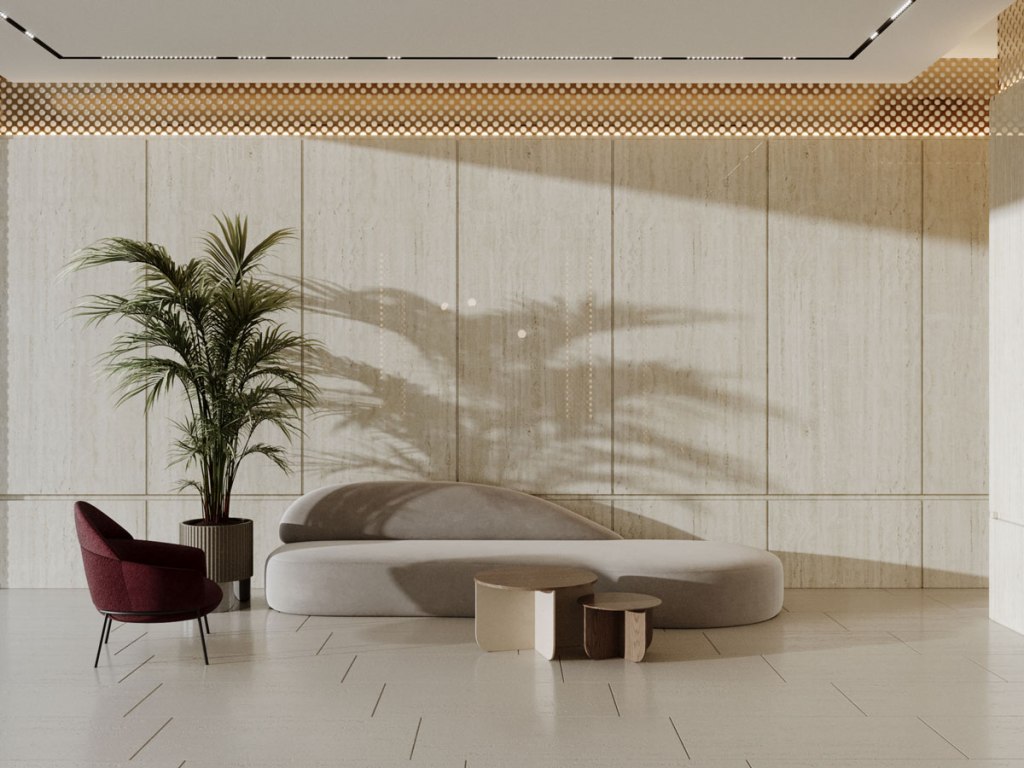
The seating arrangement in the lobby is a testament to Amitis Design’s attention to detail. A low, curvaceous sofa in a soft gray fabric anchors the seating area, offering a comfortable spot for visitors to relax. The sofa’s organic shape contrasts beautifully with the straight lines of the wall panels, adding a touch of modern elegance to the space.

Accompanying the sofa are a pair of nested coffee tables with a minimalist design. These tables, likely made from a mix of wood and metal, offer a practical surface while blending seamlessly with the lobby’s overall aesthetic. The use of natural materials like wood adds warmth to the space, making it feel inviting and cozy.

To add a pop of color and contrast, a single accent chair upholstered in a rich burgundy fabric is placed to the side. This chair not only provides additional seating but also serves as a focal point that draws the eye, adding visual interest to the otherwise neutral palette.

The Tranquil Touch of Nature

Amitis Design understands the importance of incorporating natural elements into their designs, and this lobby is no exception. A tall, lush indoor plant is strategically placed next to the sofa, adding a touch of greenery that breathes life into the space. The plant’s presence not only enhances the aesthetic appeal of the lobby but also contributes to a sense of tranquility and well-being.

Flooring and Lighting: The Unsung Heroes

The flooring in the lobby is composed of large, light-colored tiles that are laid in a staggered pattern, creating subtle movement and adding depth to the space. The light color of the tiles helps to reflect natural light, making the lobby feel bright and airy. The matte finish of the tiles reduces glare, ensuring that the space remains comfortable and easy on the eyes.

Lighting plays a crucial role in the overall ambiance of the lobby. The backlit lattice on the walls provides a warm, ambient glow that highlights the texture and design of the space. Additionally, the natural light that filters through nearby windows (suggested by the shadow patterns) adds a layer of softness to the overall design, creating a space that feels both welcoming and elegant.

A Cohesive Color Palette

The color palette chosen by Amitis Design is one of restraint and elegance. Neutral tones like beige, gray, and soft white dominate the space, creating a calming and serene environment. Accents of rich burgundy and natural wood add depth and contrast, ensuring that the space feels warm and inviting rather than sterile.

The Ambiance of Understated Luxury

Overall, the beauty of this building lobby lies in its understated luxury. Amitis Design has created a space that is both functional and aesthetically pleasing, where every element has been carefully considered and expertly executed. The result is a lobby that serves not just as a transitional space but as an experience in itself—a place where visitors can feel both welcomed and impressed.

In a city known for its architectural innovation, this lobby by Amitis Design stands out as a shining example of how simplicity, when done right, can be the ultimate form of sophistication. Whether you are passing through or waiting for an appointment, this space invites you to pause, appreciate its beauty, and perhaps find a moment of calm in the midst of the urban hustle.

Modern Kitchen Design: Form and Function

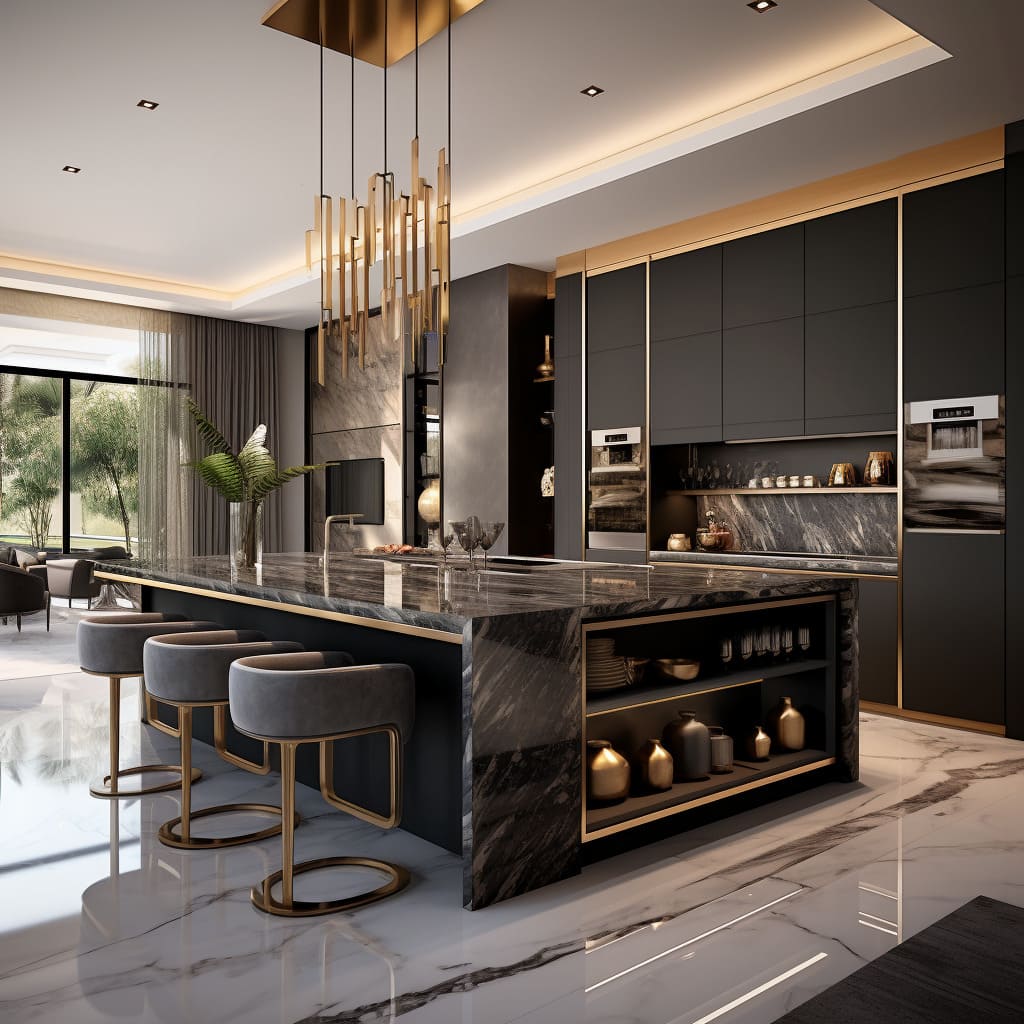
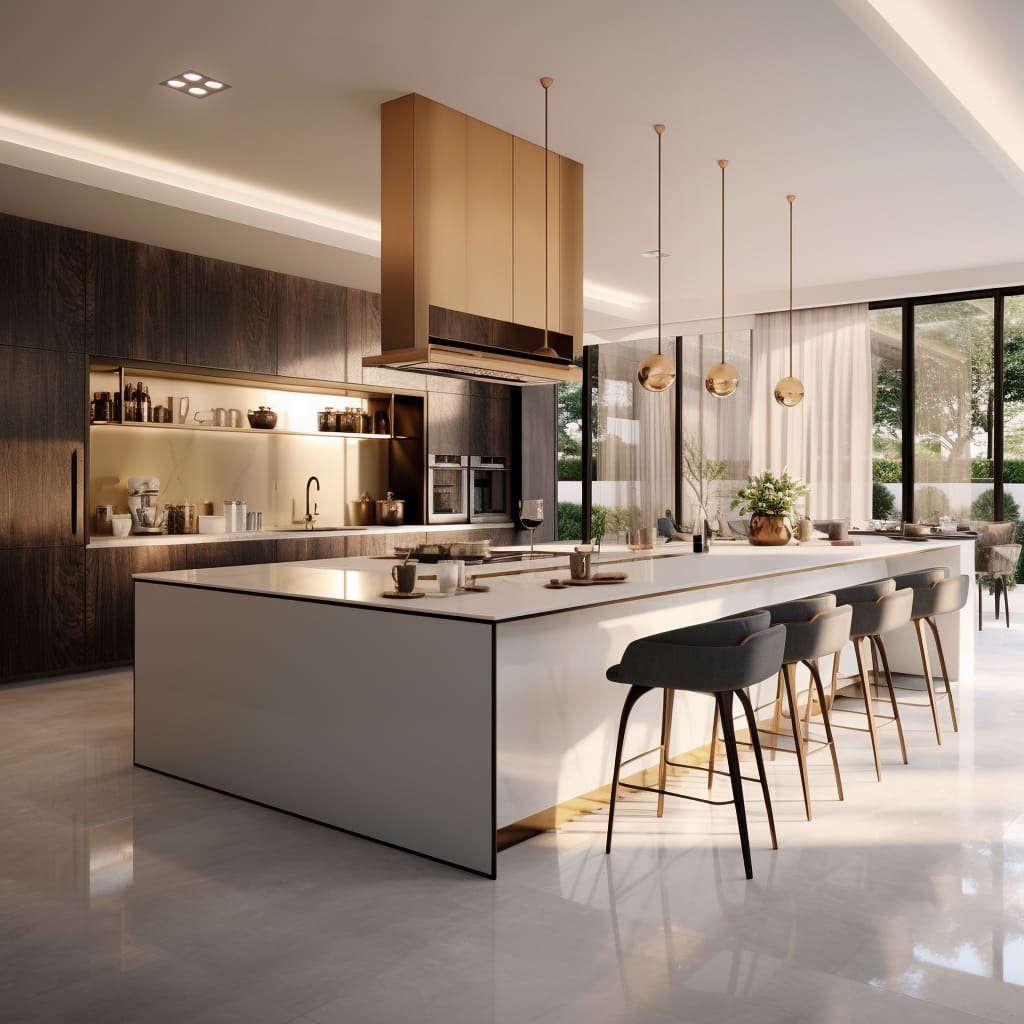
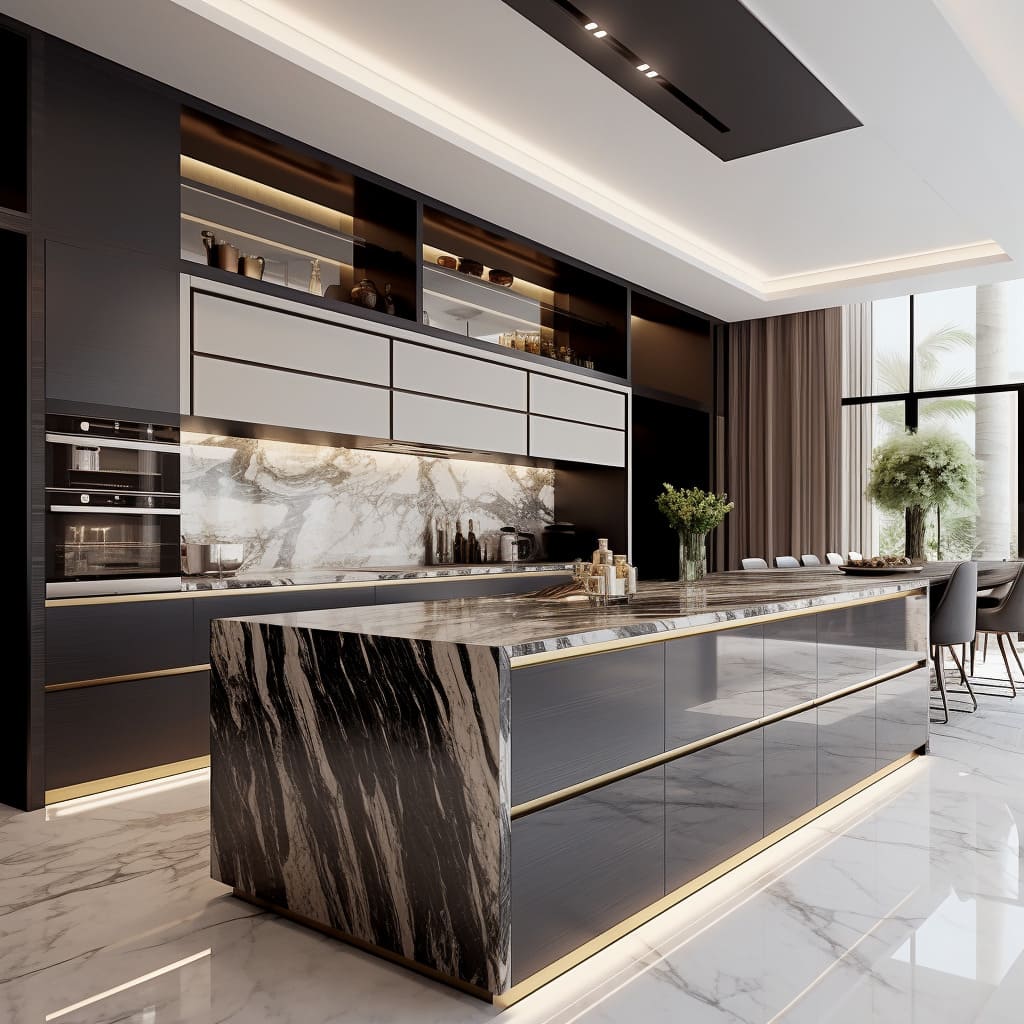
The modern kitchen stands as the centerpiece of the home, blending aesthetics with functionality. It reflects a refined approach to design where every element is thoughtfully placed, emphasizing minimalism, sleek finishes, and advanced technology. This comprehensive exploration delves into the key components of modern kitchen design, revealing how they cater to the daily needs of contemporary living.

Source: https://harmonyhome-design.com

Key Elements of Modern Kitchen Design

Layout and Functionality

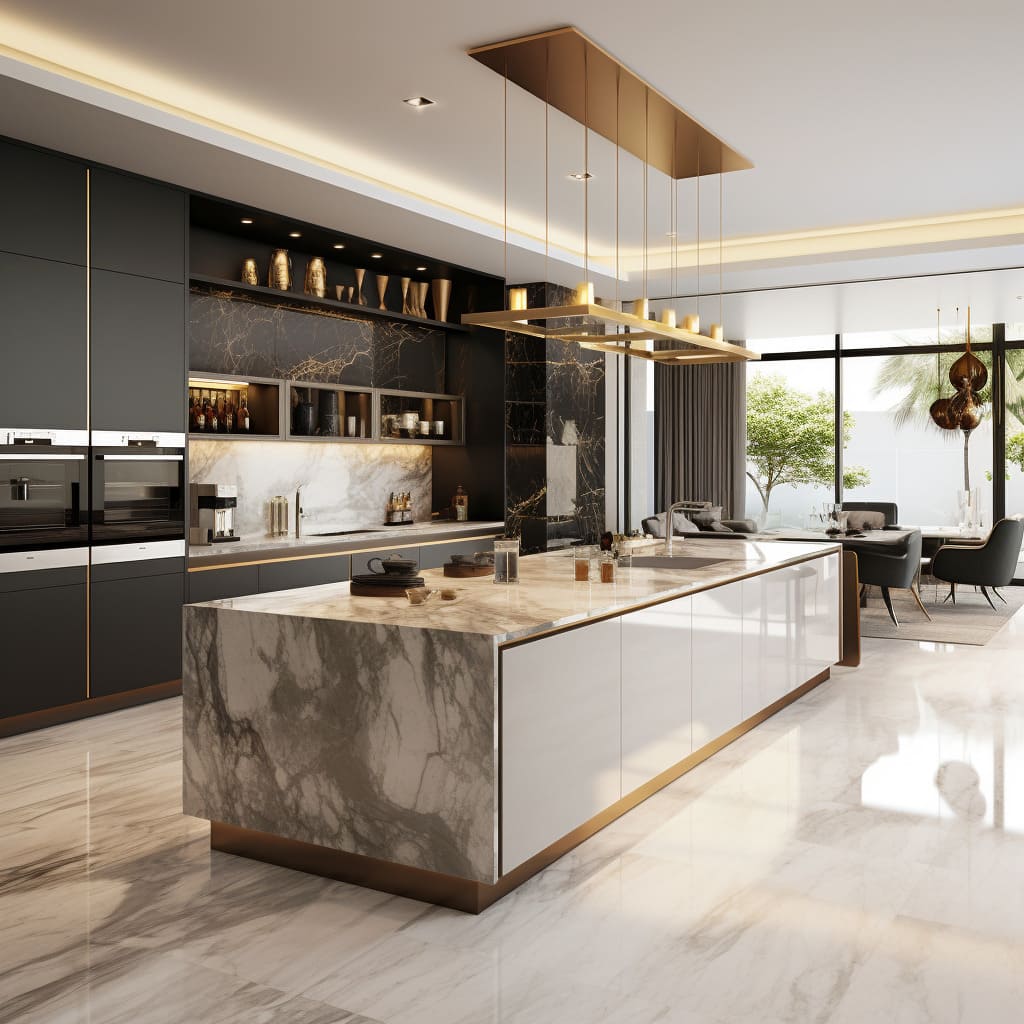
The heart of a modern kitchen lies in its layout, designed to facilitate a smooth flow of activities. The integration of an island serves not only as a prep station but also as a social hub, where individuals can gather. The positioning of appliances and storage solutions is strategic, promoting an uncluttered environment that is both appealing and practical.

Materials and Finishes

In contemporary kitchens, materials are selected for their durability and visual impact. High-quality stones like marble and granite dominate surfaces, providing a robust and stylish workspace. The cabinetry often features a matte or gloss finish, contributing to a clean, streamlined look. Glass elements in shelving and partitions enhance the sense of openness and light.

Color Schemes

Color plays a vital role in setting the tone of a modern kitchen. Neutral palettes dominate, with shades of gray, black, and white creating a calm, sophisticated atmosphere. These are occasionally accented with metallic tones such as gold or copper, adding a touch of luxury without overwhelming the senses.

Advanced Features and Technologies

Innovative Appliances

Modern kitchens are equipped with state-of-the-art appliances that streamline cooking and cleaning processes. Integrated ovens, induction cooktops, and smart refrigerators that can adjust temperatures based on contents are common. These appliances are often built into the cabinetry, maintaining the sleek lines of the design.

Lighting Solutions

Lighting in modern kitchens is both functional and decorative. LED strips subtly integrated under cabinets or along edges provide ample illumination for working while contributing to the overall ambiance. Statement light fixtures above islands or dining areas serve as focal points, combining utility with artistic expression.

Eco-Friendly Practices

Sustainability is increasingly important in kitchen design. Energy-efficient appliances, materials sourced responsibly, and designs that maximize natural light are becoming standard. These practices not only reduce the environmental impact but also offer cost savings through reduced energy consumption.

Conclusion

The modern kitchen is more than just a cooking space; it’s a testament to how design can enhance everyday life through beauty and technology. It adapts to the demands of contemporary lifestyles, offering a place for both culinary creation and communal experience. As homes evolve, the kitchen remains at the forefront, always innovating and inspiring.

Residential interior design trends

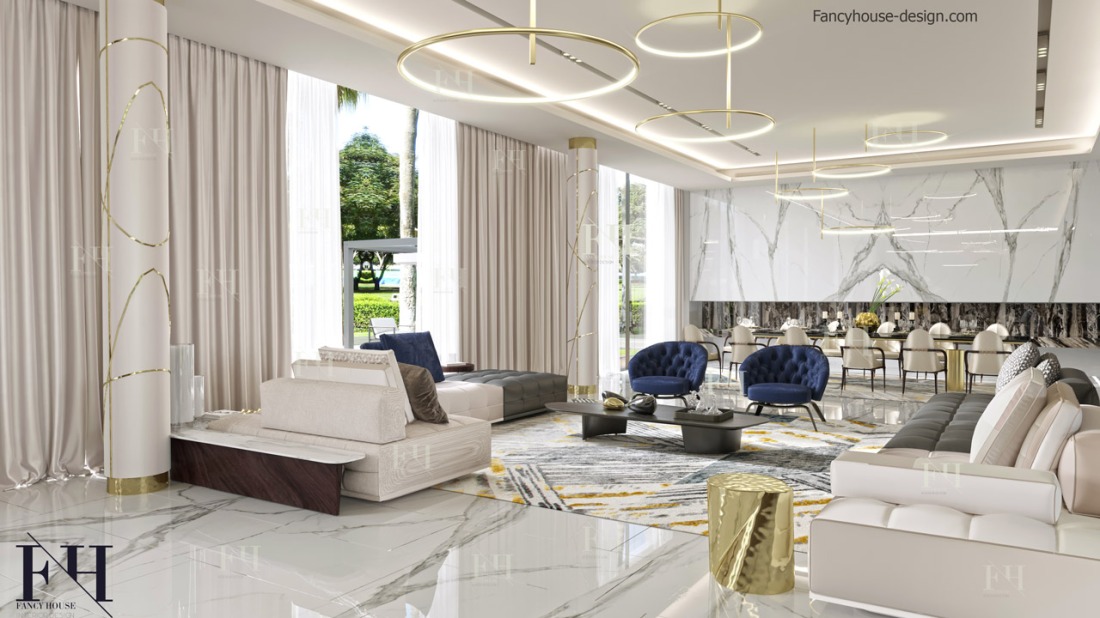
This year many interior designers meet with joy and light pleasant surprise. Why? Because most of the new trends are the renewed aesthetics of past years. To find out the latest trends in the world of interiors, we talked to several trendsetters of modern design in Dubai.

Source: https://fancyhouse-design.com/apartment-interior-design-dubai/

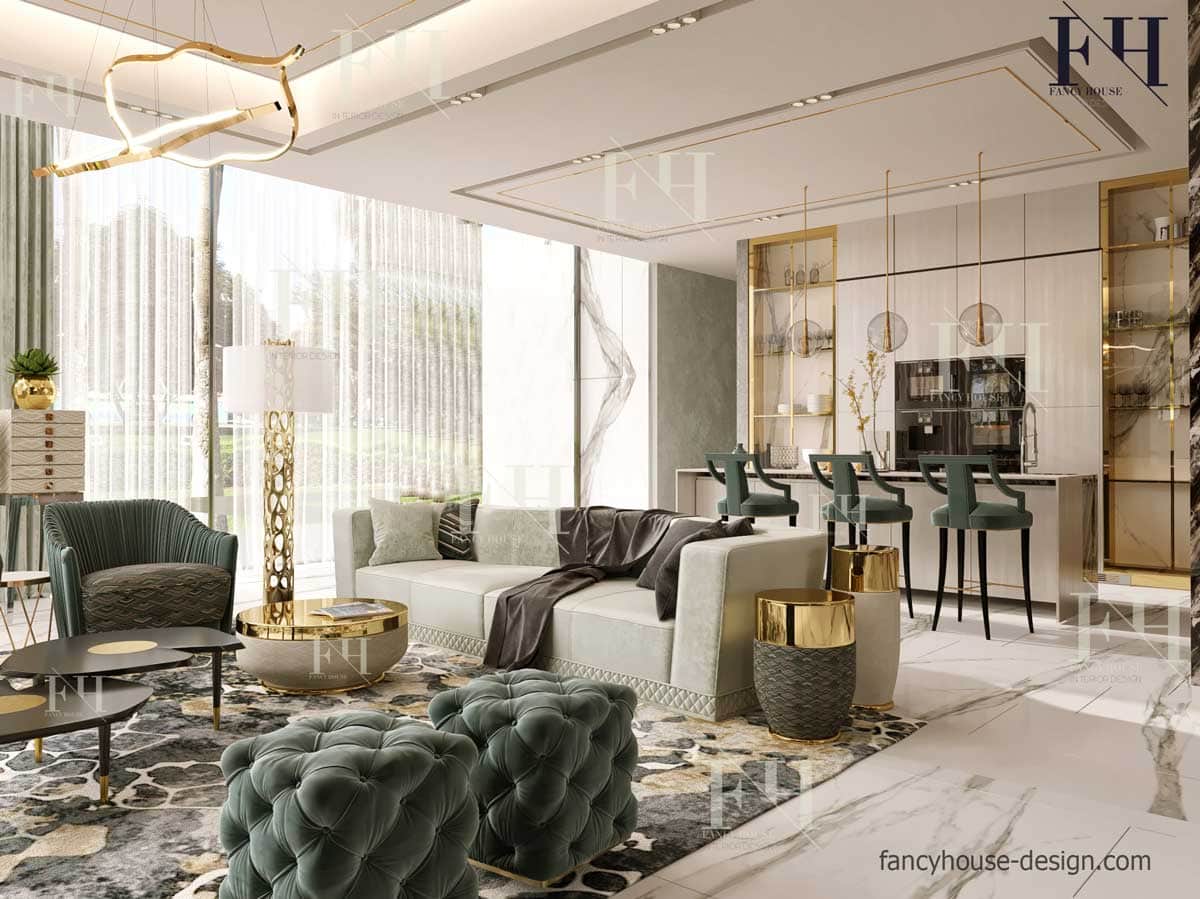
A designer of Fancy House Design explained to us that the latest 10 years all styles was going to simplicity and limitations. Everyone remembers extremely trendy minimalism in the design of apartments and houses. Her opinion is the trend towards minimalism was partly a response to the trend to modesty, equality, and tolerance. This has begun to change dramatically in recent years. People around the world have decided that it is time to tear off the masks and be frank in desires, in their preferences & their sense of style. A house or an apartment is a place where we spend most of the time, so in order to feel in harmony with ourselves we must be able to realize our taste preferences in the interior. The years of abandoning defiant frankness are over, now maximalism is in the trend in interior design.

Today you can put a lot of furniture, for example, chairs and sofas (if space allows you to place them), tables, decor and accessories. The design becomes more unique, personalized.

Source: https://fancyhouse-design.com/residential-interior-design-dubai/

Today’s maximalism in the interior originates in minimalism. It means that the abundance of parts should retain a sense of simplicity, free space, abundance of air. Therefore, designers use pure colors, straight lines, strict patterns. This design approach gives you the freedom to consider interesting decorative objects. These can be unique items or very beautiful finish materials.

Gold has returned to fashion. It can be pink gold, copper or bronze giving away a golden sheen. Natural stone, wood remained in trend today.

This style of interior allows you to follow your instinct or let the designer prove the professionalism & taste. The design process is an even more creative process than before. A designer can fill a room with a large number of details, each of which is beautiful even by itself, and together create an exciting composition. Yes, another important point of modern style – the room should not be boring or lonely.

The key to beautiful design in 2019 will be visual consistency. The interior should not be too complex, eclectic diluted with free space. For novice designers or those who make their own homes, there are a number of simple recommendations: use no more than three contrasting colors, different patterns and types of finishing materials.

High-end interior design

High-end interior design is possible only in large areas. Luxury housing does not allow random things and inexpensive finishes. Everything should be immaculate and respectable: spacious rooms, unique decoration, exclusive furniture, art paintings, stucco craftsmen, carving, forging and stained glass, the presence of art works.

The stylistic decision here does not matter, although, starting the decision of an elite house, the designers invariably, are based on the classics or modern styles.

The peculiarity of the high-end interior is every thing is
selected in catalogs according to the design sketches: from the huge chandelier to the furniture fittings. Here you have to observe the golden mean – not to the detriment of your own comfort, think over a composition that I can’t spoil the gloves thrown at the piano or the “not there” glass.

Main features of modern luxury interior design:

  • The presence of antiques and marble staircases is not a prerequisite. It can beat a luxurious loft style.
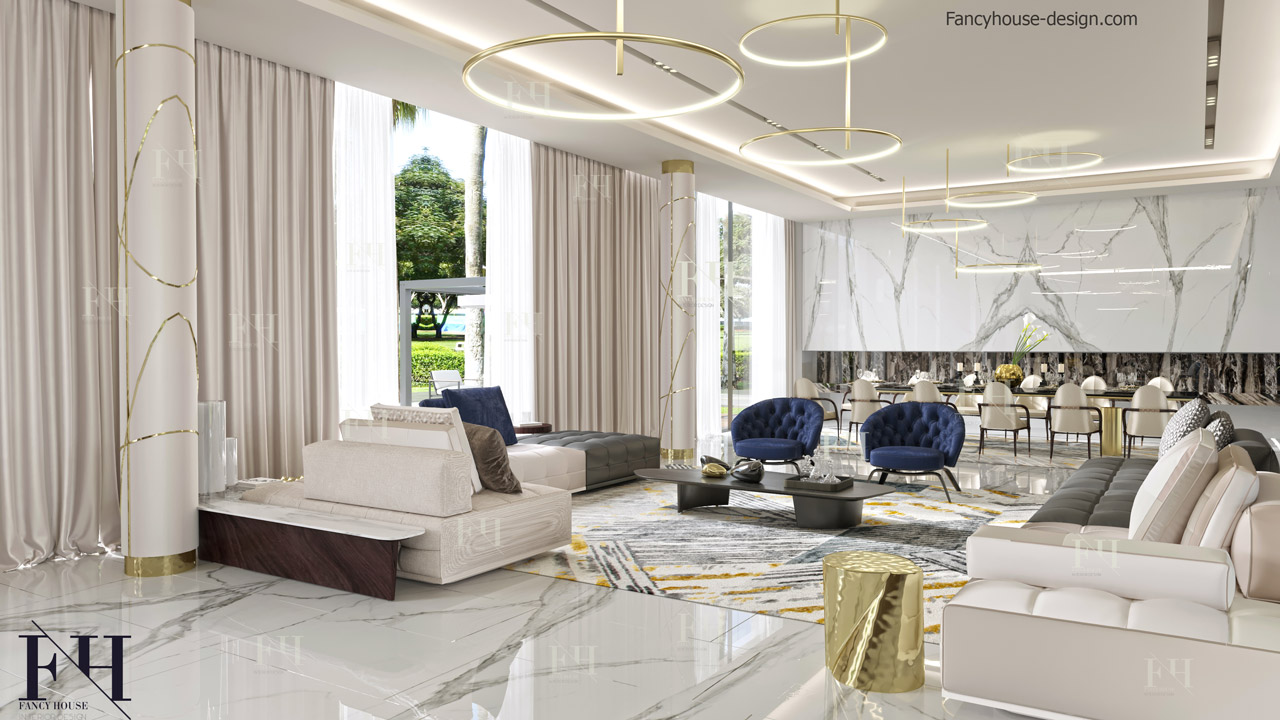
  • As a rule, it is an open space, “walk-through” planning, visible access from the living room to the dining room, and a recreation area.
  • “Weak” spaces should not be presented here, however, the prevailing of luxury things are appropriate only for the reception area. It can be bulky sofas and wooden chairs, intricate patterns of textiles and upholstery.
  • A high-end interior design of the master bedroom is usually close to the classic style. At the same time it is the only room in a respectable mansion that can be decorated in the style of Provence or Country. High ceilings are balanced by a huge luxurious bed and the adequacy of space for the dressing table and seating area.
  • A luxury master bedroom can be finished with natural ebony, leather, ivory. Wallpapers, even very expensive ones, are losing decorative plaster or artistic painting.
  • A dressing room in a luxury house certainly represents a separate room.