
Dubai’s luxury villa market is known for pushing the boundaries of architectural and interior design, creating spaces that are both opulent and inviting. Modern villa interiors in Dubai reflect a blend of international influences, advanced technology, and a keen sense of style. As the city continues to grow and evolve, so do the trends that define these luxurious homes. This article will delve into the latest trends in modern Dubai villa interior design, offering a detailed look at the elements that make these spaces unique.
1. Double-Height Ceilings: Creating Grand, Open Spaces
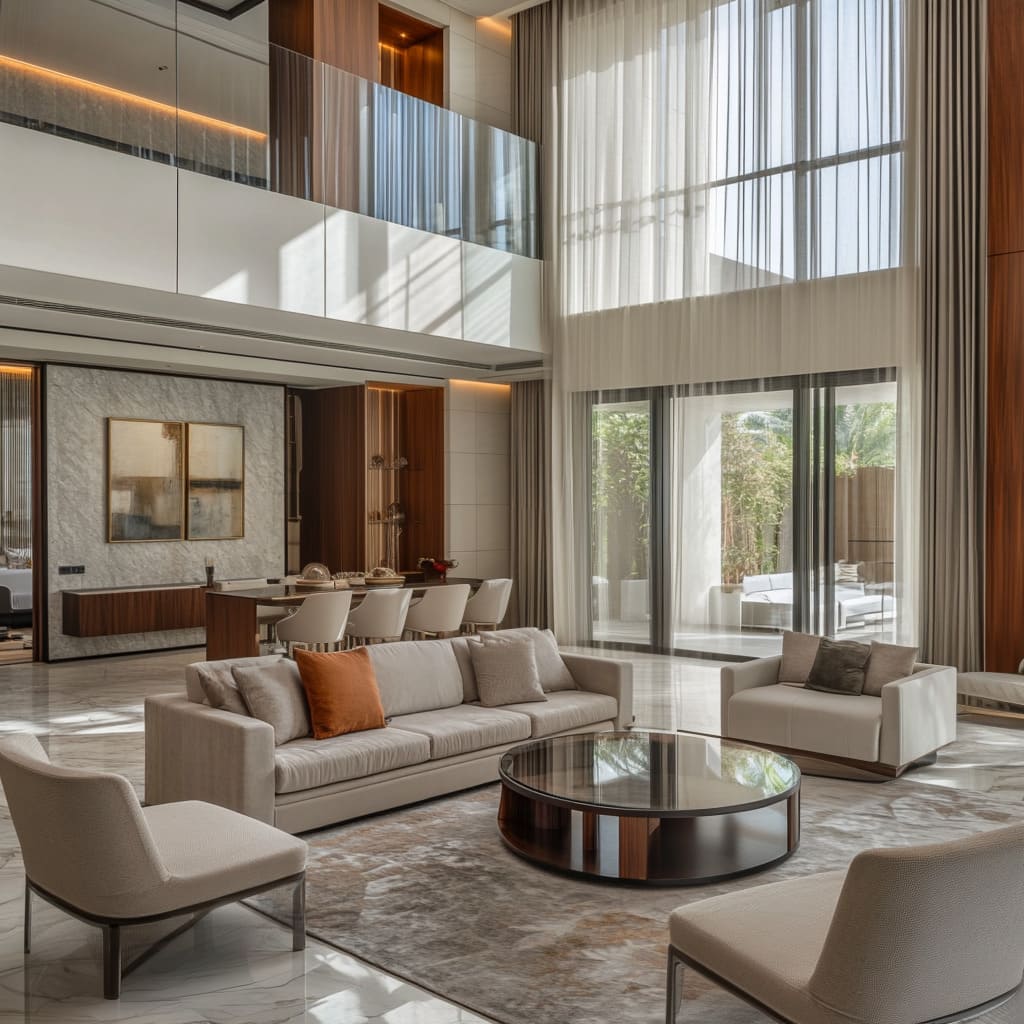
One of the most defining features of modern Dubai villas is the use of double-height ceilings. This architectural element is more than just a stylistic choice; it serves to amplify the sense of space within the home, creating a grand, open atmosphere that is both impressive and welcoming. These towering ceilings allow for expansive windows, which flood the interiors with natural light and create a seamless connection between the indoors and outdoors.
Double-height ceilings also offer the opportunity to introduce dramatic lighting fixtures, such as cascading chandeliers that can become the centerpiece of a room. These fixtures not only illuminate the space but also add a layer of sophistication and luxury. The scale of the ceilings allows for large art installations or feature walls that draw the eye upward, emphasizing the verticality of the room and adding visual interest. In Dubai’s hot climate, the extra height also aids in keeping the living areas cooler, enhancing comfort without compromising style.
2. Neutral Color Palettes and Material Choices: A Foundation of Modern Elegance
The foundation of any interior design is its color palette and material choices, and in modern Dubai villas, neutral tones reign supreme. Shades of beige, taupe, off-white, and soft gray dominate the color schemes, creating an environment that is both calming and sophisticated. These colors are chosen not only for their aesthetic appeal but also for their ability to create a sense of space and lightness, which is essential in the often expansive rooms found in Dubai villas.
Material choices further enhance the elegance of these interiors. Polished marble is a popular choice for flooring, offering a reflective surface that adds a touch of luxury while also helping to keep the interiors cool. The subtle veining in the marble adds visual texture without overwhelming the space, allowing the architecture and furniture to take center stage. Wood is another key material, often used for wall paneling, cabinetry, and accent pieces. The rich tones of wood add warmth and contrast to the otherwise light color palette, creating a balanced and harmonious interior.
The combination of these materials and colors forms a backdrop that is both timeless and modern, allowing homeowners to personalize their spaces with art, furniture, and decor that reflect their unique tastes. The neutrality of the palette ensures that the interiors remain versatile and adaptable, easily updated to reflect changing trends or personal preferences.
3. Luxurious Seating Arrangements: Comfort Meets Style
Seating arrangements in modern Dubai villas are designed with both comfort and style in mind. Living rooms often feature large, plush sofas and armchairs that invite relaxation while also serving as statement pieces in the room. The choice of upholstery is crucial, with high-quality fabrics that are both durable and luxurious, such as velvet, linen, or soft leather. These fabrics add texture and depth to the room, enhancing the overall aesthetic.
The placement of furniture is carefully considered to promote conversation and comfort, often centered around a focal point like a fireplace, a large television, or a stunning view. Accent pillows and throws are used strategically to add pops of color and pattern, creating a layered and inviting space. The mix of textures—from the softness of the cushions to the sleekness of the coffee table—adds visual interest without detracting from the room’s overall elegance.
In larger villas, multiple seating areas may be created within a single room, each with its own purpose and ambiance. For example, a formal seating area might be arranged around a coffee table with elegant side chairs, while a more casual arrangement could be designed around a television or entertainment center. This flexibility allows for both intimate family gatherings and larger social events, making the living space versatile and functional.
4. Entertainment and Media Integration: Modern Family Rooms
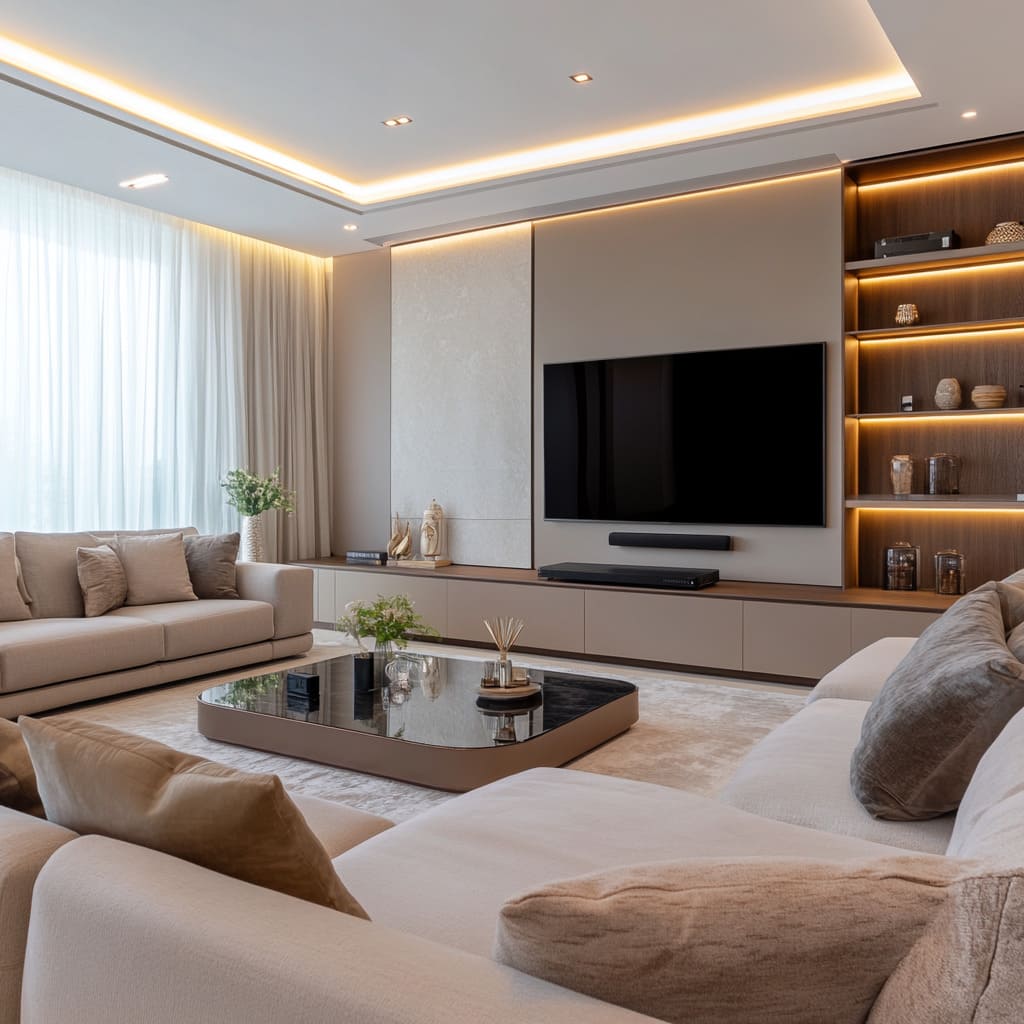
The family rooms in Dubai villas are more than just places to gather; they are designed for entertainment and relaxation. Central to these spaces is the integration of modern media systems, including large flat-screen televisions and state-of-the-art sound systems. These elements are seamlessly incorporated into the design, with custom-built media consoles and wall units that provide ample storage without disrupting the clean lines of the room.
The furniture in these rooms is selected for comfort, with large, cushioned sofas and recliners that make movie nights or game days enjoyable. The layout is often centered around the television, with seating arranged to ensure a clear view from every angle. In addition to the main seating area, side tables and ottomans provide extra functionality, allowing for a relaxed and flexible space that caters to various activities.
Lighting plays a crucial role in creating the right atmosphere for entertainment. Dimmer switches and ambient lighting allow homeowners to adjust the mood of the room, whether for a bright, lively gathering or a cozy evening in. Built-in shelving with integrated lighting adds a soft glow, highlighting decorative items and providing a warm ambiance. The overall design of these rooms balances practicality with aesthetics, ensuring that the space is both functional and visually appealing.
5. Statement Lighting: Chandeliers and Cove Lighting
Lighting is a key element in the design of modern Dubai villas, with statement fixtures playing a prominent role. Chandeliers are often used in main halls and living areas, where their size and design make a lasting impression. These fixtures range from classic crystal designs to modern, abstract forms, each chosen to complement the overall style of the space. The placement of chandeliers is strategic, often centered in rooms with high ceilings to draw the eye upward and enhance the sense of scale.
Cove lighting is another popular feature, used to create a soft, ambient glow throughout the home. This type of lighting is often installed around the perimeter of ceilings, where it provides indirect illumination that enhances the architectural features of the room. Cove lighting can be adjusted to suit different times of day or activities, offering both functionality and aesthetic appeal. It is particularly effective in highlighting the textures and finishes of walls and ceilings, adding depth and dimension to the space.
In addition to chandeliers and cove lighting, modern Dubai villas often incorporate recessed lighting, which offers a sleek and unobtrusive solution for illuminating the home. This type of lighting is perfect for highlighting specific areas, such as artwork or architectural details, without overwhelming the space. The combination of different lighting types creates a layered effect, allowing homeowners to control the ambiance and mood of each room.
6. Floor-to-Ceiling Windows: Enhancing Light and Space
Floor-to-ceiling windows are a defining feature of modern Dubai villa design, allowing for an abundance of natural light and offering stunning views of the surrounding landscape. These large windows create a seamless connection between the indoors and outdoors, blurring the boundaries and enhancing the sense of space within the home.
The windows are often dressed with sheer curtains that provide privacy while still allowing light to filter through. These curtains add a soft, flowing element to the room, contrasting with the sleek lines of the architecture. The use of light-colored fabrics ensures that the space remains bright and airy, even when the curtains are drawn.
The placement of furniture around these windows is carefully considered to take advantage of the views and natural light. Seating areas are often positioned to face the windows, creating a relaxing space where residents can enjoy the scenery. The large windows also enhance the overall aesthetic of the home, reflecting the modern design principles of openness and transparency.
In addition to their aesthetic benefits, floor-to-ceiling windows also contribute to the energy efficiency of the home. By maximizing natural light, they reduce the need for artificial lighting during the day, while the use of high-quality glazing helps to regulate indoor temperatures. This combination of form and function makes these windows a key element in the design of modern Dubai villas.
7. Contemporary Furniture and Decor: Minimalism with a Touch of Luxury
Contemporary furniture in Dubai villas is characterized by clean lines, simple forms, and a focus on functionality. The emphasis is on creating a sleek, uncluttered look that is both stylish and comfortable. Furniture pieces are often chosen for their sculptural qualities, adding an artistic element to the room.
The materials used in contemporary furniture are carefully selected to enhance the overall aesthetic of the space. High-quality wood, metal, and glass are common choices, each bringing its own texture and character to the room. Upholstery fabrics are chosen for their durability and luxurious feel, often in neutral tones that complement the overall color palette.
Decorative elements are kept to a minimum, with a focus on quality over quantity. Each piece is carefully chosen to contribute to the overall design, whether it’s a piece of modern art, a sculptural vase, or a carefully arranged collection of books. The goal is to create a cohesive look that feels intentional and curated, rather than cluttered or overwhelming.
The use of natural elements, such as plants or stone, adds warmth and texture to the space, creating a balance between the sleek, modern lines of the furniture and the organic qualities of the decor. This combination of minimalism and luxury creates an environment that is both serene and sophisticated, offering a perfect retreat from the hustle and bustle of daily life.
8. Feature Walls and Art Integration: Adding Personality to Spaces
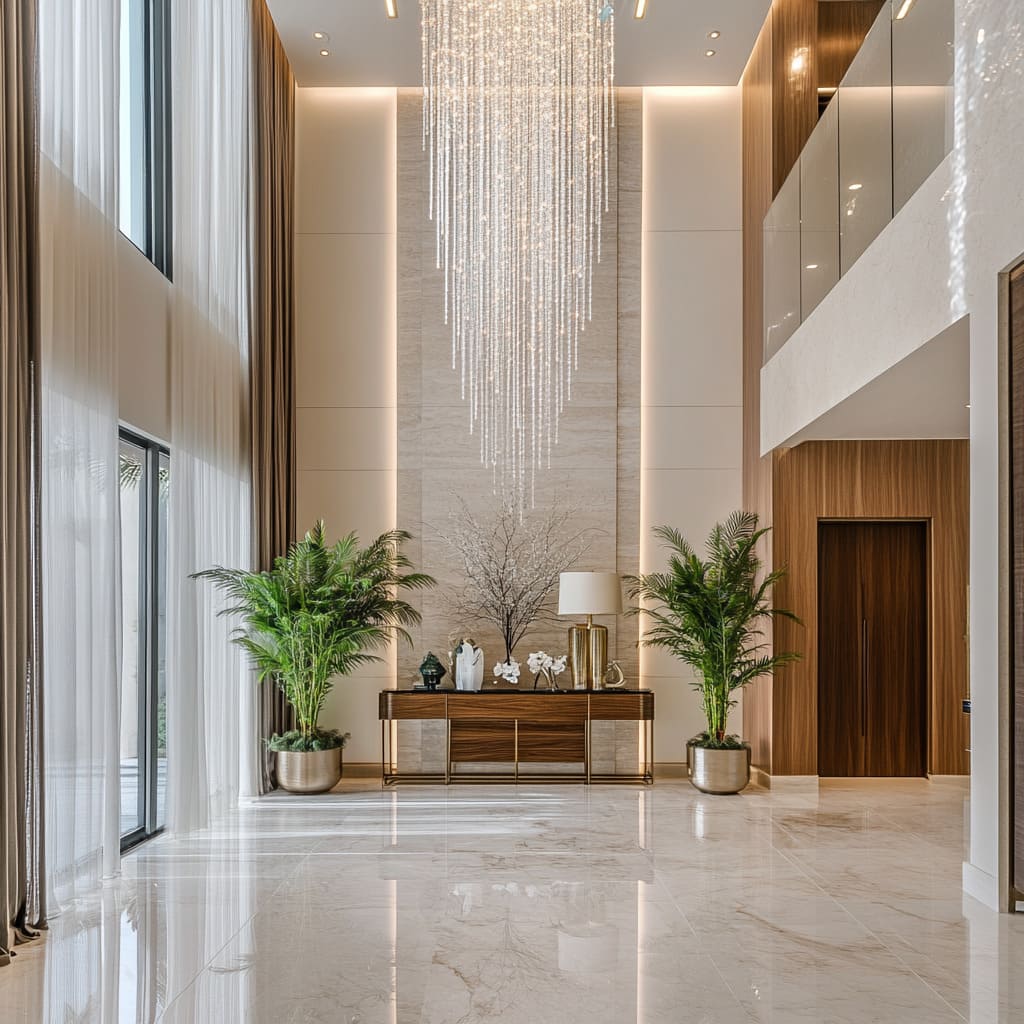
Feature walls are a popular trend in modern Dubai villa design, serving as focal points that add personality and depth to the space. These walls are often clad in textured materials, such as natural stone or wood, which contrast with the smooth surfaces of the surrounding walls. The use of feature walls is a way to introduce visual interest and break up the monotony of large, open spaces.
Art plays a significant role in the design of these feature walls, with large, impactful pieces often chosen to complement the materials and colors of the room. The placement of art is carefully considered, with attention to scale and proportion to ensure that the pieces enhance the overall design rather than overwhelm it. In some cases, the art is integrated into the architecture itself, becoming a permanent part of the room’s design.
In addition to feature walls, art is also used throughout the home to add character and reflect the personal tastes of the homeowners. Whether it’s a collection of contemporary paintings, a series of sculptures, or a carefully curated gallery wall, art is a key element in creating a space that feels lived-in and unique. The integration of art into the design of modern Dubai villas is a way to personalize the space and make it truly one-of-a-kind.
9. Modern Staircase Designs: Functional Sculptures
Staircases in modern Dubai villas are more than just functional elements; they are often designed as architectural features that add to the overall aesthetic of the home. These staircases are typically sleek and minimalist, with a focus on clean lines and simple forms. Glass balustrades are a popular choice, offering transparency and allowing the staircase to blend seamlessly into the surrounding space.
The use of materials like wood and stone adds texture and warmth to the design, while the incorporation of lighting enhances the staircase’s sculptural qualities. In some cases, staircases are designed to be floating, with steps that appear to be suspended in mid-air, creating a sense of lightness and adding to the modern feel of the home.
The design of the staircase is often integrated into the overall layout of the home, with open-plan living spaces that allow the staircase to be visible from multiple angles. This visibility makes the staircase a key element in the design of the villa, contributing to the flow and connectivity of the different spaces. Whether it’s a grand staircase in the main hall or a more discreet design tucked away in a corner, the staircase is an important part of the home’s architecture.
10. Outdoor-Indoor Connection: Designing for Dubai’s Climate
The design of modern Dubai villas places a strong emphasis on the connection between indoor and outdoor spaces. This connection is achieved through the use of large windows, open-plan layouts, and outdoor living areas that are seamlessly integrated with the interior design. The goal is to create a sense of continuity between the indoors and outdoors, allowing residents to enjoy the beauty of their surroundings from the comfort of their home.
Outdoor spaces are designed to be extensions of the indoor living areas, with similar materials and colors used to create a cohesive look. Outdoor furniture is chosen for its durability and comfort, with a focus on creating spaces that are both functional and stylish. Shaded areas, such as pergolas or covered patios, provide protection from the sun while allowing residents to enjoy the outdoors even in the heat of Dubai’s summer.
Landscaping is an important part of this design approach, with carefully chosen plants and materials that reflect the natural beauty of the region. Water features, such as fountains or pools, are often used to add a sense of tranquility and provide a cooling effect in the outdoor spaces. The design of these areas takes into account the need for privacy, with the use of walls, screens, or strategically placed plants to create a secluded and intimate environment.
The connection between indoor and outdoor spaces is not only aesthetic but also functional. The use of sliding or folding glass doors allows for easy access to outdoor areas, making it convenient for entertaining or simply enjoying the fresh air. This design approach reflects a modern lifestyle that values both luxury and practicality, offering a space that is perfect for both relaxation and socializing.
Conclusion
In conclusion, the latest trends in modern Dubai villa interior design reflect a blend of luxury, functionality, and contemporary style. From the grand double-height ceilings to the seamless indoor-outdoor connection, each element is carefully considered to create a space that is both impressive and inviting. The use of neutral color palettes, high-quality materials, and sophisticated lighting creates an environment that is elegant and timeless, while the incorporation of art and feature walls adds personality and character to the space. As Dubai continues to evolve as a global hub for luxury living, these trends are likely to shape the future of villa design in the city, offering residents a lifestyle that is both modern and luxurious.
 luxury Interior Design trends in Dubai houses