
The modern kitchen stands as the centerpiece of the home, blending aesthetics with functionality. It reflects a refined approach to design where every element is thoughtfully placed, emphasizing minimalism, sleek finishes, and advanced technology. This comprehensive exploration delves into the key components of modern kitchen design, revealing how they cater to the daily needs of contemporary living.
Source: https://harmonyhome-design.com
Key Elements of Modern Kitchen Design
Layout and Functionality
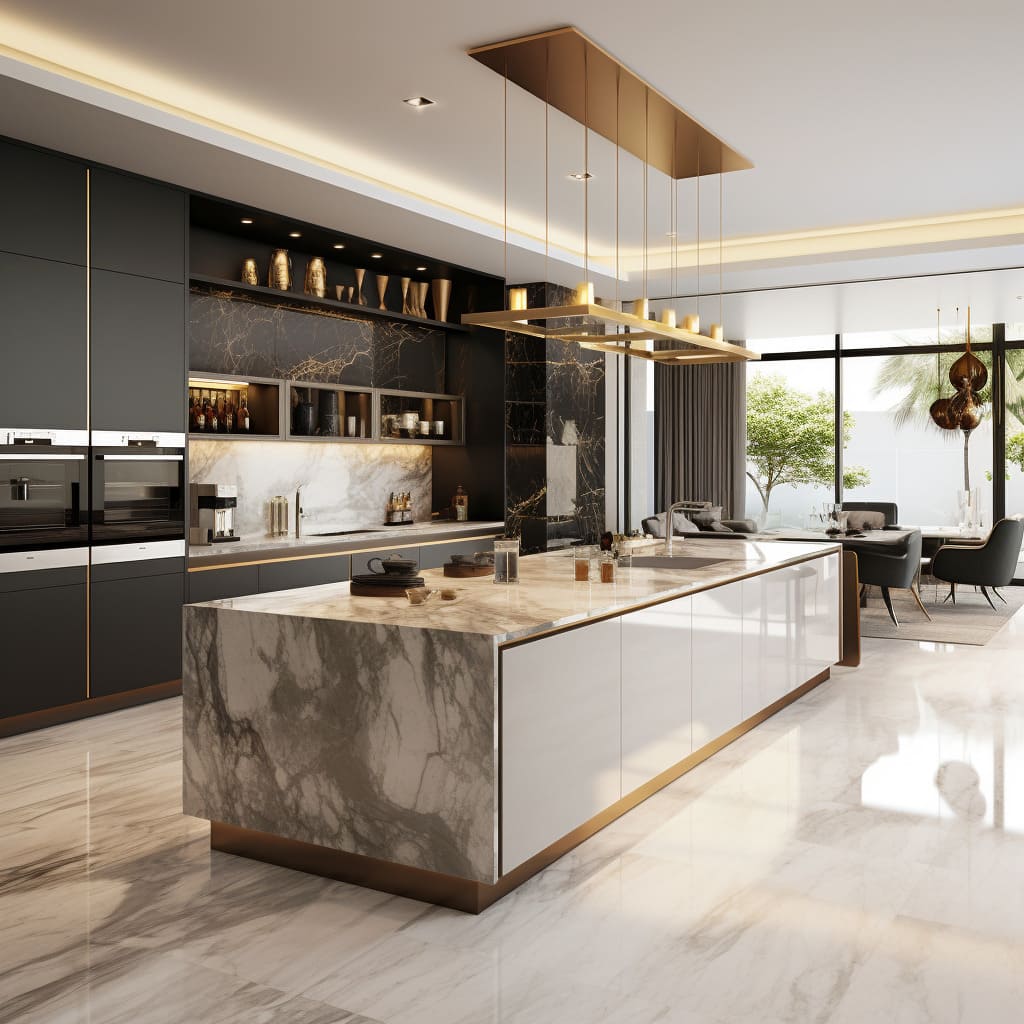
The heart of a modern kitchen lies in its layout, designed to facilitate a smooth flow of activities. The integration of an island serves not only as a prep station but also as a social hub, where individuals can gather. The positioning of appliances and storage solutions is strategic, promoting an uncluttered environment that is both appealing and practical.
Materials and Finishes
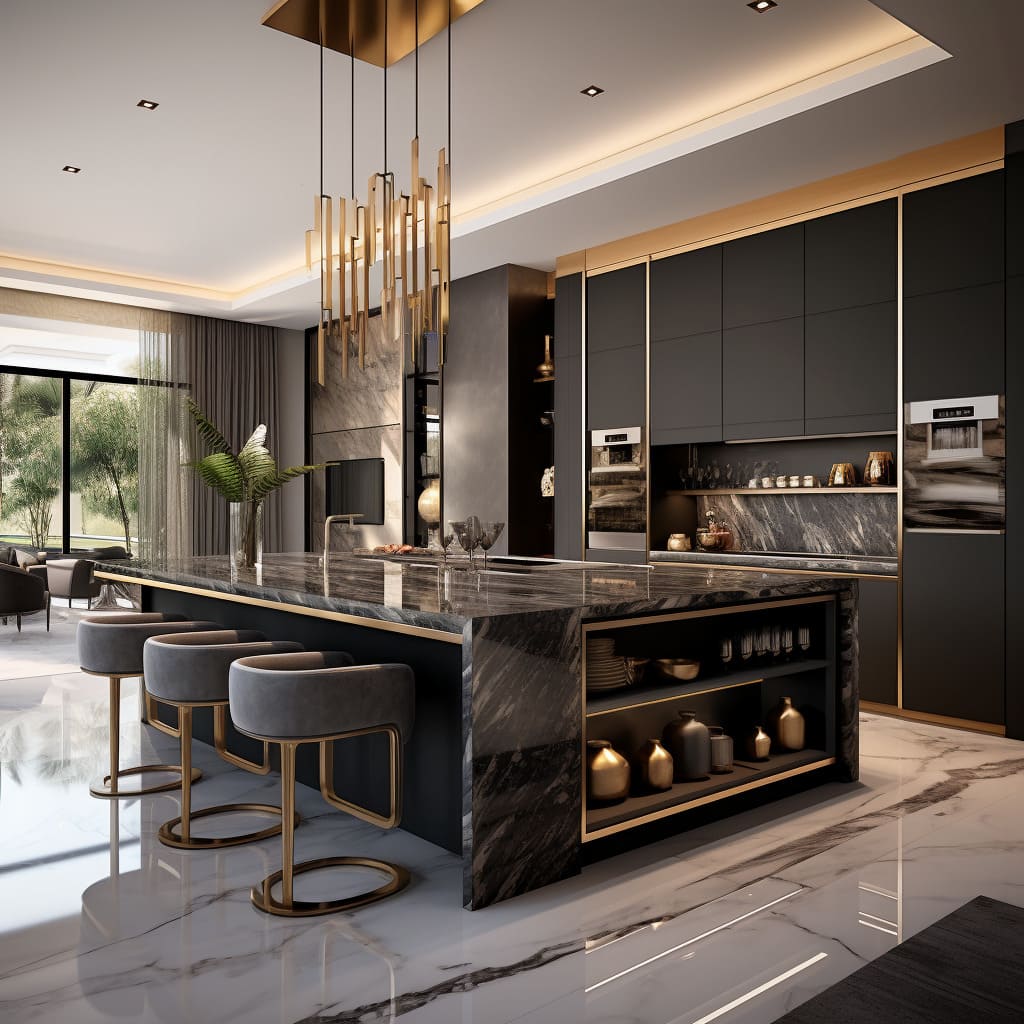
In contemporary kitchens, materials are selected for their durability and visual impact. High-quality stones like marble and granite dominate surfaces, providing a robust and stylish workspace. The cabinetry often features a matte or gloss finish, contributing to a clean, streamlined look. Glass elements in shelving and partitions enhance the sense of openness and light.
Color Schemes
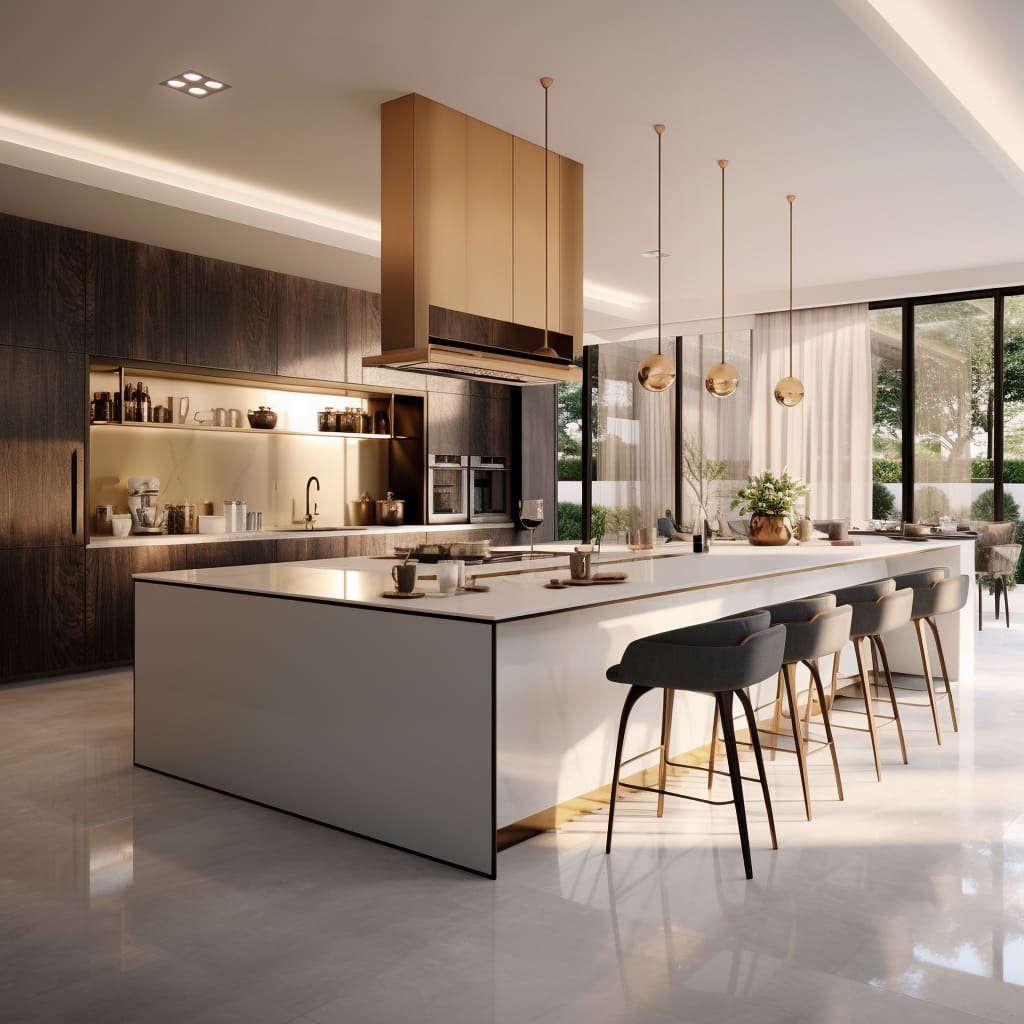
Color plays a vital role in setting the tone of a modern kitchen. Neutral palettes dominate, with shades of gray, black, and white creating a calm, sophisticated atmosphere. These are occasionally accented with metallic tones such as gold or copper, adding a touch of luxury without overwhelming the senses.
Advanced Features and Technologies
Innovative Appliances
Modern kitchens are equipped with state-of-the-art appliances that streamline cooking and cleaning processes. Integrated ovens, induction cooktops, and smart refrigerators that can adjust temperatures based on contents are common. These appliances are often built into the cabinetry, maintaining the sleek lines of the design.
Lighting Solutions
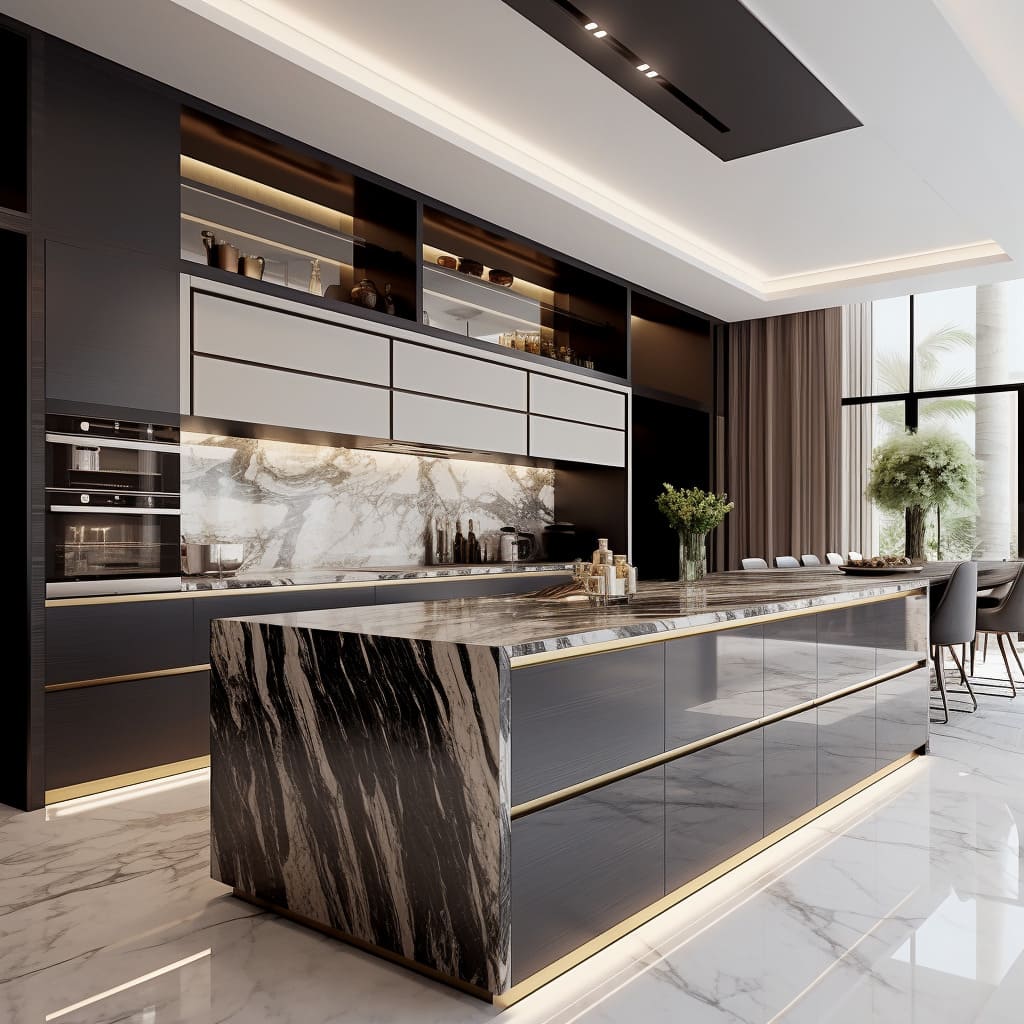
Lighting in modern kitchens is both functional and decorative. LED strips subtly integrated under cabinets or along edges provide ample illumination for working while contributing to the overall ambiance. Statement light fixtures above islands or dining areas serve as focal points, combining utility with artistic expression.
Eco-Friendly Practices
Sustainability is increasingly important in kitchen design. Energy-efficient appliances, materials sourced responsibly, and designs that maximize natural light are becoming standard. These practices not only reduce the environmental impact but also offer cost savings through reduced energy consumption.
Conclusion
The modern kitchen is more than just a cooking space; it’s a testament to how design can enhance everyday life through beauty and technology. It adapts to the demands of contemporary lifestyles, offering a place for both culinary creation and communal experience. As homes evolve, the kitchen remains at the forefront, always innovating and inspiring.
 luxury Interior Design trends in Dubai houses